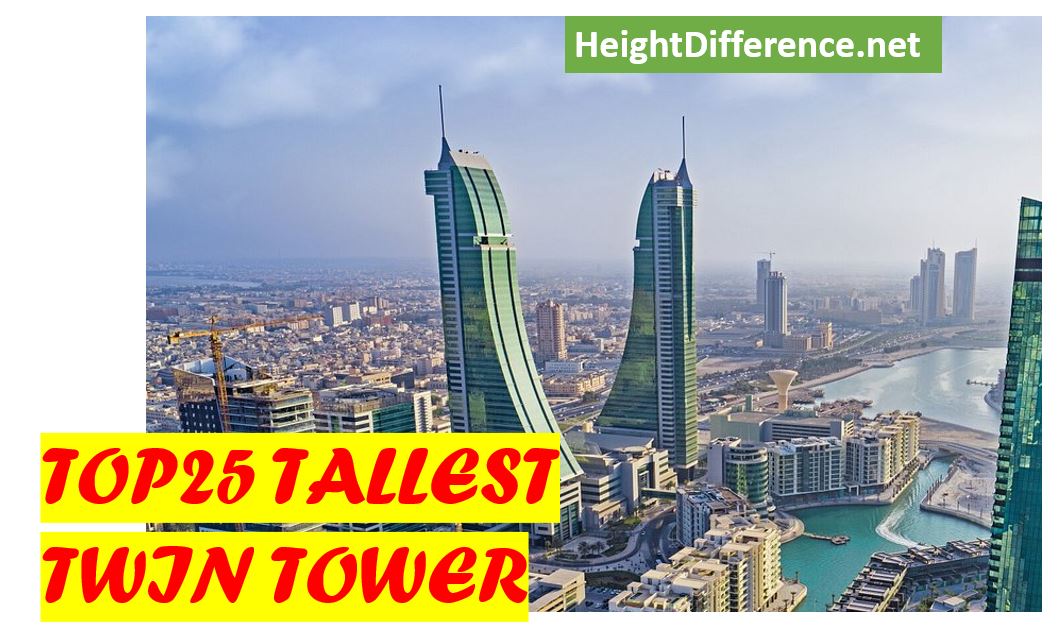
Twin towers have always fascinated architects and travelers alike, symbolizing not only structural brilliance but also cultural and economic significance. These paired skyscrapers are designed to complement each other while pushing the limits of engineering, often serving as landmarks that define the skylines of major cities around the world. From Asia to the Middle East, and even across the Americas, twin towers stand as marvels of design, blending functionality with aesthetics to inspire awe in all who see them.
The race to build taller, more innovative twin towers has grown rapidly in recent decades, with many cities competing to claim the spotlight for their architectural achievements. These skyscrapers are more than just office spaces or residential complexes; they represent ambition, national pride, and a vision of the future. The following list of the Top 25 Tallest Twin Towers in the World highlights the most remarkable examples, showcasing not only their height but also the creativity and ingenuity behind their construction.
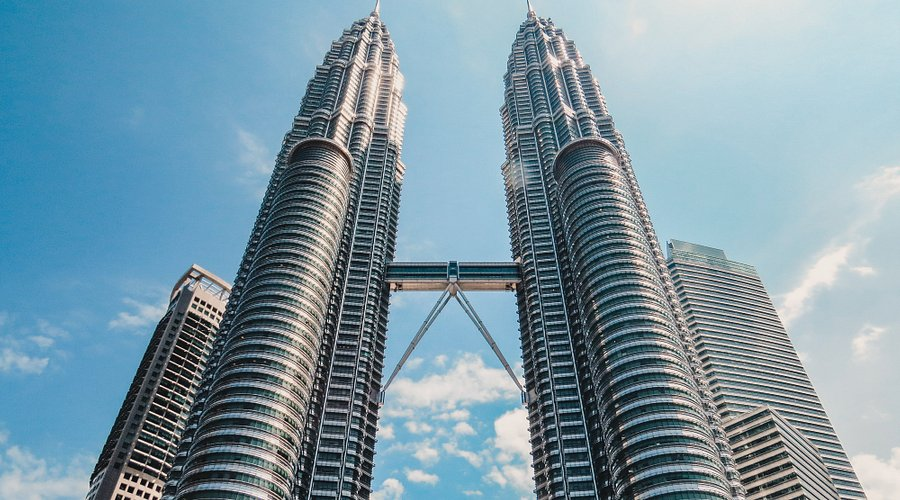
1. Petronas Twin Towers, Kuala Lumpur, Malaysia – 452 m (1,483 ft), 88 floors
The Petronas Twin Towers in Kuala Lumpur are the tallest twin towers in the world, standing at 452 meters with 88 floors each. Completed in 1998, they were designed by Argentine architect César Pelli, blending modernist aesthetics with motifs inspired by Islamic art. Their steel-and-glass façade, along with the iconic skybridge that connects the two towers at levels 41 and 42, make them one of the most photographed landmarks on the planet.
The towers serve as the headquarters of Petronas, Malaysia’s national oil and gas company, but they also house offices for multinational corporations. Below them lies Suria KLCC, a massive shopping mall, and the KLCC Park, which enhances the towers’ integration into the city’s cultural and social life. The observation deck at level 86 offers sweeping views of Kuala Lumpur.
As a global architectural icon, the Petronas Towers symbolize Malaysia’s rapid modernization and economic growth. They remain a source of national pride and a major tourist attraction, drawing millions of visitors each year who marvel at their height and unique design.
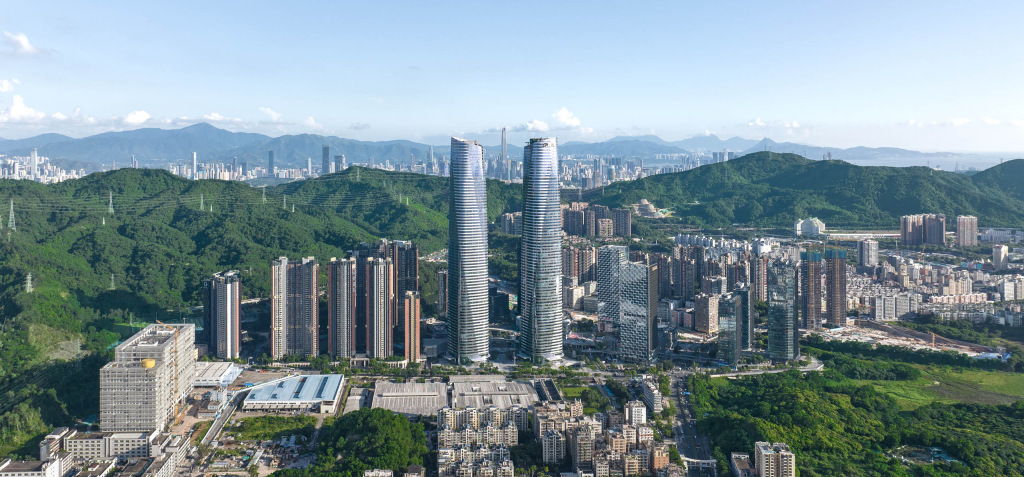
2. Shenzhen Galaxy Twin Towers, Shenzhen, China – 356 m (1,168 ft), 71 floors
The Shenzhen Galaxy Twin Towers rise to 356 meters, making them among the tallest twin towers in the world and one of the most prominent features of Shenzhen’s booming skyline. Completed in the 2020s, these towers reflect China’s modern push for futuristic architectural development and urban expansion.
The towers each contain 71 floors, used for offices, luxury residences, and high-end retail. Their sleek glass façades and illuminated crowns stand out especially at night, creating a stunning presence in Shenzhen’s central business district. They were designed to accommodate both commercial and lifestyle needs, blending practicality with elegance.
As part of Shenzhen’s rapid growth, the Galaxy Twin Towers showcase the city’s emergence as a global financial and innovation hub. They also reinforce Shenzhen’s reputation as one of China’s leading destinations for cutting-edge architecture and urban planning.
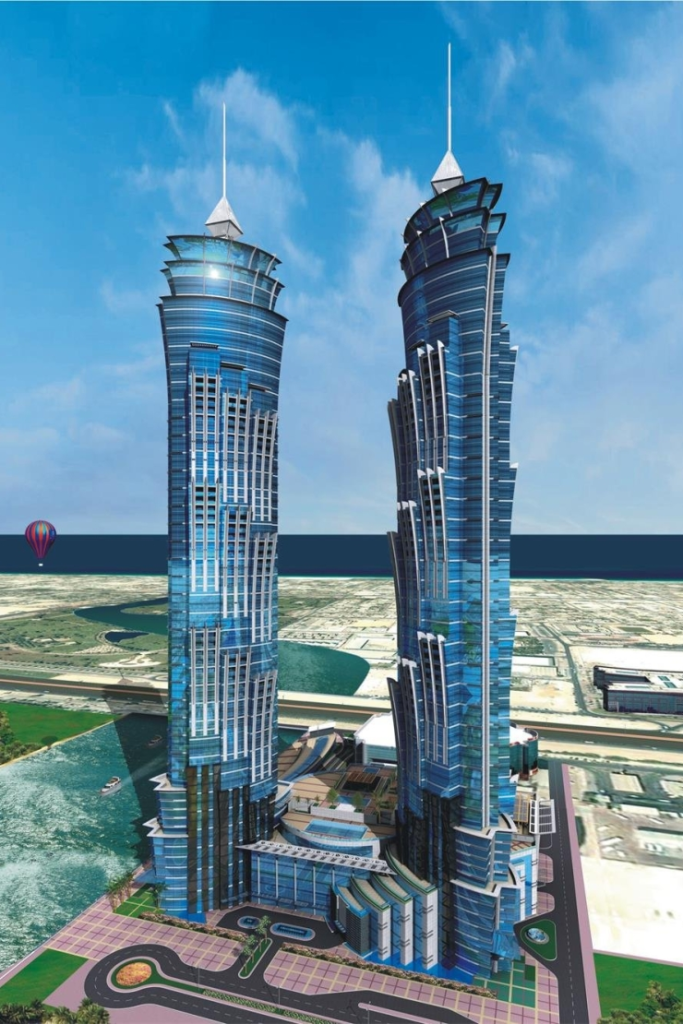
3. JW Marriott Marquis Dubai, Dubai, UAE – 355.4 m (1,166 ft), 77 floors
The JW Marriott Marquis Dubai holds the title of the tallest hotel twin towers in the world. Standing at 355.4 meters with 77 floors each, the pair was completed in 2012 and are operated by Marriott International as part of its luxury JW Marriott brand.
The towers house over 1,600 guest rooms and suites, making them one of the largest hotels globally. They also feature a variety of restaurants, lounges, event spaces, and a massive banquet hall that caters to Dubai’s thriving business and tourism industries. The towers are connected at the base by a podium that includes retail and dining options.
These towers are a symbol of Dubai’s hospitality leadership and are often used as venues for high-profile international events and conferences. Their scale, combined with their luxury offerings, demonstrates Dubai’s ambition to remain a top global destination for both tourism and business.
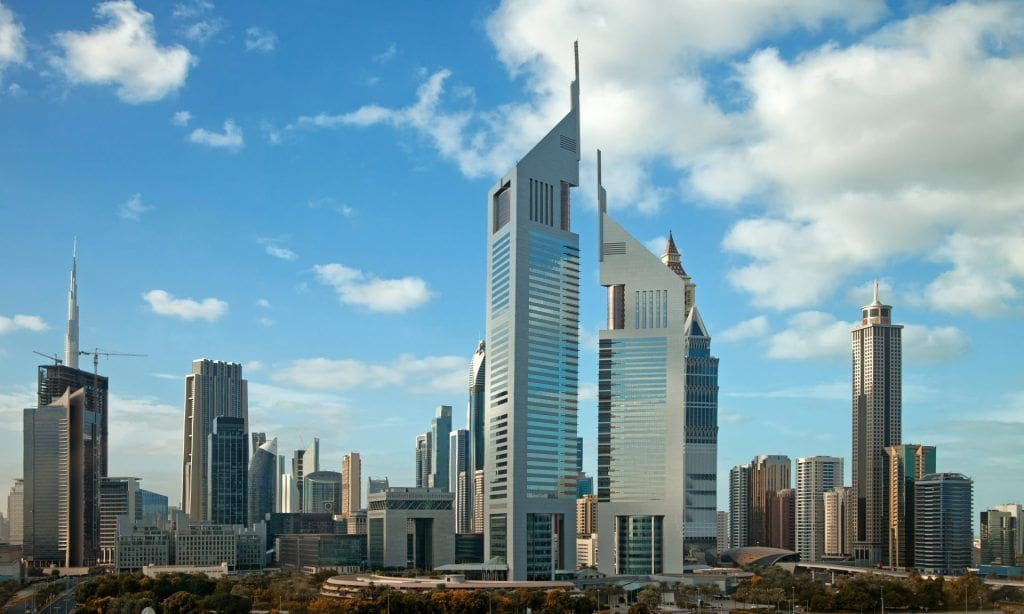
4. Emirates Towers, Dubai, UAE – 354 m (1,161 ft), 54/56 floors
The Emirates Towers are among the most iconic skyscrapers in Dubai, standing at 354 meters tall. Completed in 2000, the complex consists of two structures: the Emirates Office Tower and the Jumeirah Emirates Towers Hotel, with 54 and 56 floors respectively. Their triangular form and aluminum-and-glass façades give them a distinct futuristic appearance.
The office tower serves as home to major corporations and government institutions, while the hotel offers luxury accommodations, restaurants, and event spaces. The two towers are linked by a large retail complex known as The Boulevard, which provides shopping and dining experiences.
The Emirates Towers represent Dubai’s early wave of modern skyscraper development, predating the Burj Khalifa era but setting the tone for the city’s ambition to become a global business hub. They remain a recognizable and prestigious part of Dubai’s skyline.
5. Huaguoyuan Towers, Guiyang, China – 335 m (1,099 ft), 74 floors
The Huaguoyuan Towers are a pair of 335-meter skyscrapers that dominate Guiyang’s skyline. Completed in 2020, they stand as the tallest twin towers in southwestern China, symbolizing the city’s rapid economic rise and modernization.
Each tower contains 74 floors, hosting a combination of office spaces, luxury apartments, and commercial centers. The complex also includes cultural and leisure facilities, making it a mixed-use development that serves as a focal point for Guiyang’s urban life.
These towers are not only architectural feats but also a reflection of China’s urbanization in second-tier cities. The Huaguoyuan Towers have elevated Guiyang’s global visibility and represent the government’s efforts to balance development beyond megacities like Beijing and Shanghai.
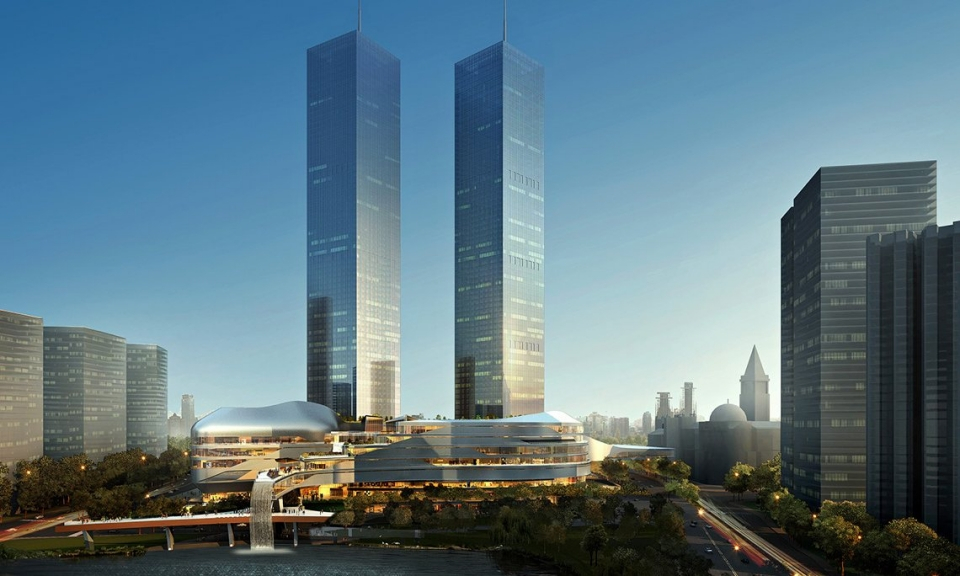
6. Greenland Hangzhou Center, Hangzhou, China – 304 m (997 ft), 64 floors
The Greenland Hangzhou Center Twin Towers reach a height of 304 meters, making them a defining feature of Hangzhou’s skyline. Completed in the late 2010s, the towers represent the city’s transformation into one of China’s leading centers for finance, commerce, and technology. Their glass façades shimmer along the Qiantang River, especially at night when the towers are illuminated.
Each of the 64 floors in the towers is designed for mixed use, including luxury offices, upscale residences, and commercial spaces. The towers also include hotel accommodations, catering to both business and leisure travelers. Their integration of retail, residential, and corporate facilities reflects China’s growing preference for multifunctional skyscraper complexes.
The Greenland Hangzhou Center has become a landmark of modern Hangzhou, symbolizing the city’s status as an innovation hub and as a bridge between traditional Chinese culture and global economic growth.
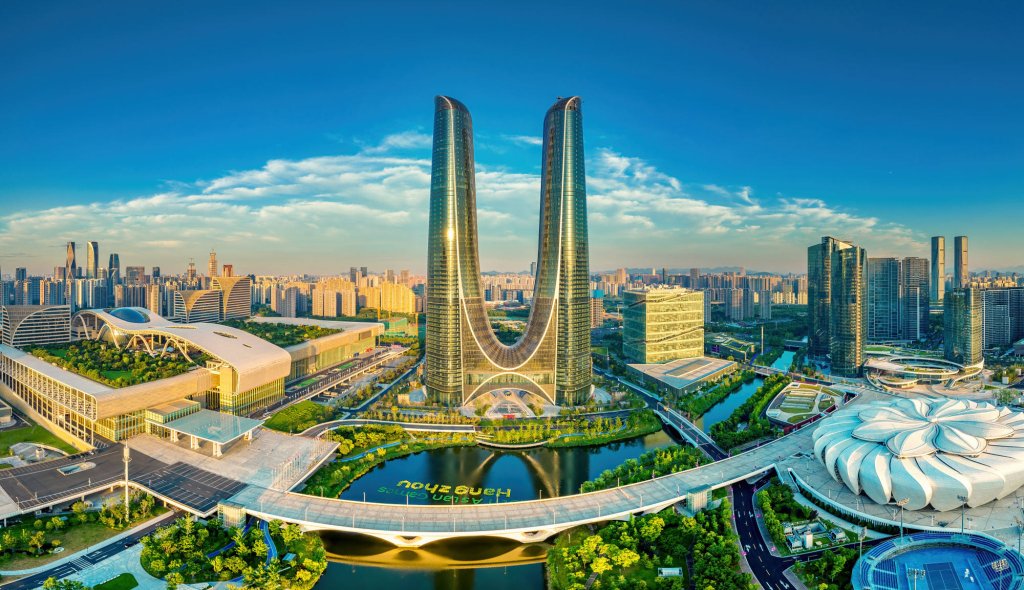
7. One Za’abeel, Dubai, UAE – 301.4 m (989 ft), 68/59 floors
One Za’abeel is a striking pair of towers in Dubai, rising to 301.4 meters and connected by the world’s longest cantilever bridge, known as The Link. Completed in the 2020s, the project showcases Dubai’s engineering ambition and architectural innovation, combining luxury living, business spaces, and leisure facilities in one development.
The taller tower has 68 floors, while the shorter one has 59, both featuring premium residences, office spaces, and the One&Only luxury hotel. The Link itself is a key attraction, suspended between the towers and housing restaurants, lounges, and entertainment venues with breathtaking views of the city.
One Za’abeel exemplifies Dubai’s futuristic approach to urban development, blending cutting-edge design with world-class hospitality. It serves as a new landmark, further cementing the city’s global reputation for architectural marvels.
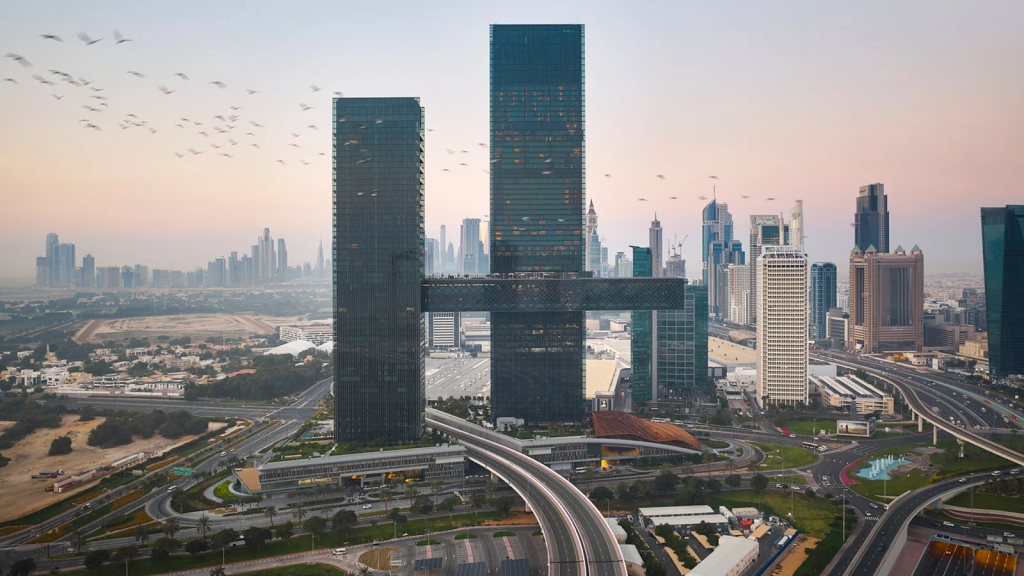
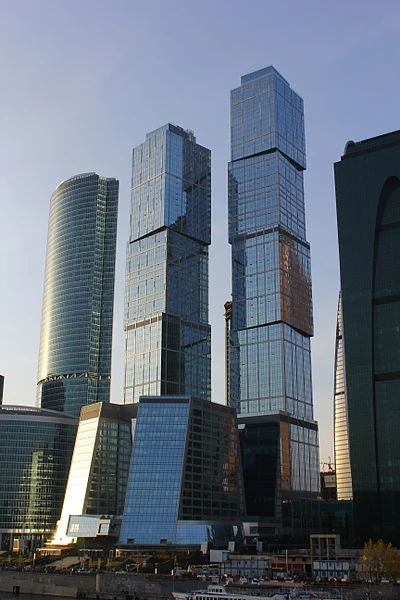
8. City of Capitals, Moscow, Russia – 301 m (988 ft), 76/65 floors
The City of Capitals towers, located in Moscow’s International Business Center, rise to 301 meters and are among the tallest twin towers in Europe. Completed in 2009, the two towers are named after Russia’s historic capitals: Moscow Tower (76 floors) and St. Petersburg Tower (65 floors). Their design draws inspiration from modern skyscraper trends while incorporating Russian cultural identity.
These towers are used primarily for residential purposes, offering luxury apartments with panoramic views of Moscow. They also include office spaces, retail areas, and entertainment facilities, making them a multifunctional hub in the city’s financial district. Their prominence on the Moscow skyline reflects the modernization of Russia’s architecture in the 21st century.
As symbols of Moscow’s economic resurgence and integration into global markets, the City of Capitals towers stand as a bold representation of Russia’s ambition to match other world-class cities in terms of urban development.
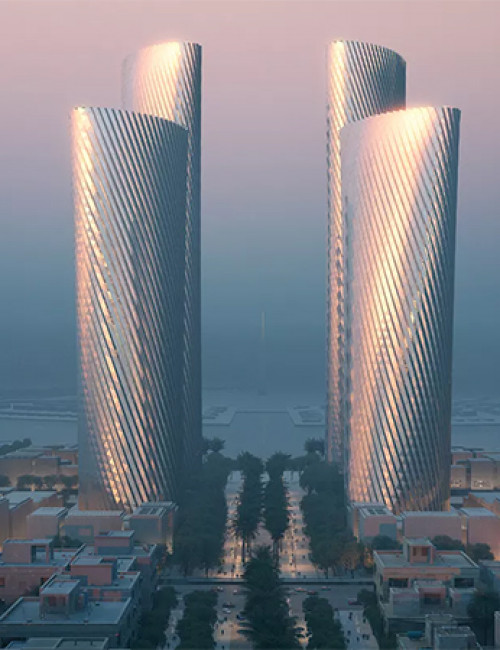
9. Lusail Plaza Towers, Lusail, Qatar – 301 m (988 ft), 68 floors
The Lusail Plaza Towers, standing at 301 meters, are a pair of elegant skyscrapers that highlight Qatar’s commitment to building futuristic urban environments. Located in Lusail City, a master-planned development near Doha, these towers are part of the ambitious projects linked to Qatar’s preparations for the 2022 FIFA World Cup and beyond.
Each tower has 68 floors and serves as a hub for offices, commercial activities, and luxury services. The towers’ glass exteriors reflect the Gulf’s modern architectural style, while their placement within Lusail City integrates them with high-end residential zones, retail areas, and leisure facilities.
The Lusail Plaza Towers demonstrate Qatar’s vision for sustainable urban expansion, making them a symbol of innovation and economic diversification in the Gulf region. They reinforce the country’s long-term goal of becoming a global financial and cultural destination.
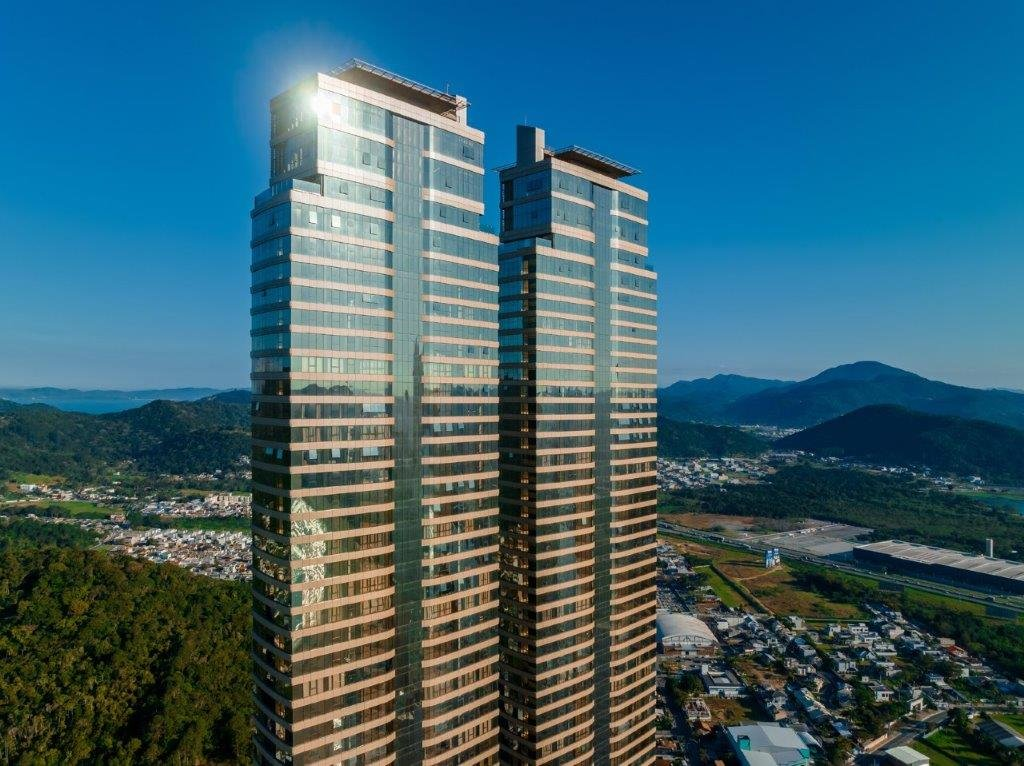
10. Yachthouse Residence Club, Balneário Camboriú, Brazil – 295 m (968 ft), 81 floors
The Yachthouse Residence Club towers in Brazil are the tallest twin towers in South America, standing at 295 meters with 81 floors each. Completed in 2020, they dominate the skyline of Balneário Camboriú, a coastal city often referred to as the “Brazilian Dubai” due to its rapid vertical growth and luxury real estate market.
The towers are exclusively residential, offering some of the most luxurious apartments in Latin America. Facilities include swimming pools, gyms, spas, and private lounges, designed for the high-income demographic that invests in this prime coastal location. Their height and design set new records for residential living in the region.
As a pair, the Yachthouse towers symbolize Brazil’s rising status in global real estate and architecture. They have redefined the city’s skyline and contributed to Balneário Camboriú’s reputation as one of the most exclusive beachfront destinations in South America.
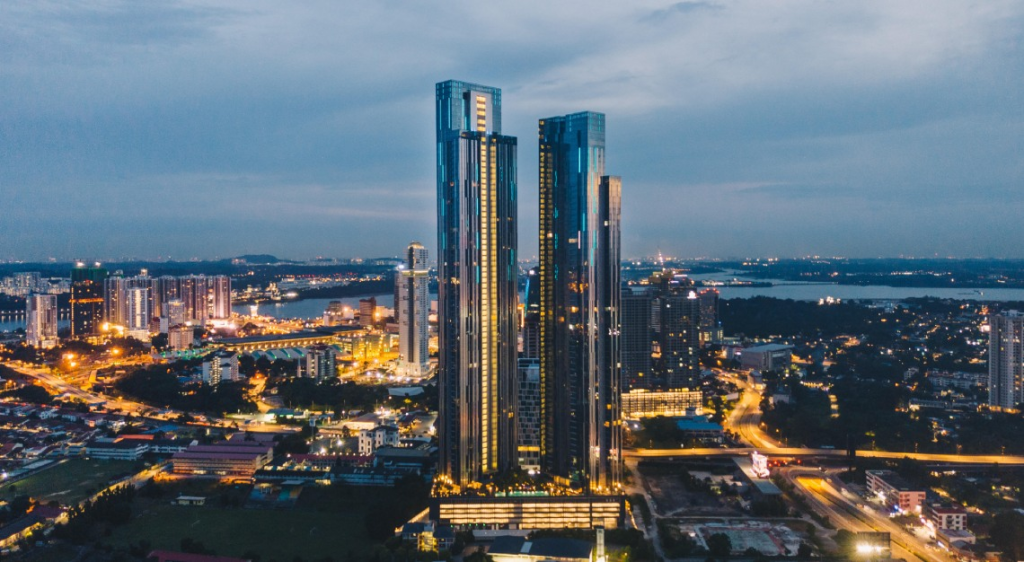
11. The Astaka, Johor Bahru, Malaysia – 278.8 m (915 ft), 67/72 floors
The Astaka Towers in Johor Bahru, Malaysia, rise to 278.8 meters, making them the tallest twin towers in the country. Completed in the late 2010s, these towers are a striking addition to Johor Bahru’s skyline, symbolizing the city’s rapid modernization and its growing importance as a regional hub near Singapore.
The taller tower has 72 floors, while the slightly shorter one has 67. Both towers are primarily residential, offering luxury condominiums with sweeping views of the Johor Strait and Singapore’s skyline. The design emphasizes elegance and exclusivity, catering to Malaysia’s rising affluent population and international investors.
The Astaka has become a landmark of southern Malaysia, representing the city’s ambition to be recognized alongside Kuala Lumpur as a destination for high-rise luxury living and international business.
12. The Cullinan, Hong Kong, China – 270 m (886 ft), 68 floors
The Cullinan towers in Hong Kong are renowned as some of the most luxurious residential skyscrapers in the world. Standing 270 meters tall, the twin towers were completed in 2008 and form part of the Union Square development in West Kowloon. Their sleek glass façades complement Hong Kong’s glittering harbor skyline.
Each tower houses 68 floors of premium residences, with some units boasting record-breaking property prices. The apartments are known for their modern designs, spacious interiors, and access to high-end amenities such as swimming pools, sky gardens, and exclusive clubs. The Cullinan caters to Hong Kong’s elite, where space and luxury come at a premium.
These towers have become a symbol of wealth and exclusivity in one of the world’s most competitive real estate markets, reinforcing Hong Kong’s reputation as a city of vertical luxury living.
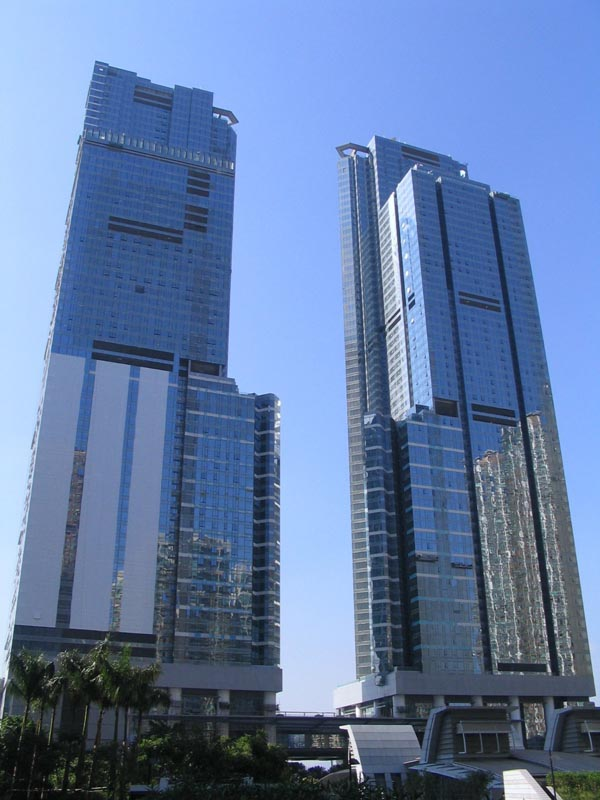
13. Al Kazim Towers, Dubai, UAE – 265 m (869 ft), 53 floors
The Al Kazim Towers, also known as the Emirates Crown Towers, are iconic twin skyscrapers located in Dubai’s bustling Sheikh Zayed Road district. Rising to 265 meters, these towers were completed in 2008 and remain among the most recognizable twin structures in the UAE.
Each tower contains 53 floors, primarily serving as office spaces for multinational corporations and regional businesses. Their architectural style blends sleek modernism with a hint of traditional Middle Eastern design, making them visually distinct on Dubai’s skyline. The towers also stand near other iconic developments, emphasizing Dubai’s dense cluster of supertall buildings.
As office-based skyscrapers, the Al Kazim Towers contribute significantly to Dubai’s status as a global financial hub, providing world-class infrastructure and prime real estate for businesses operating in the region.
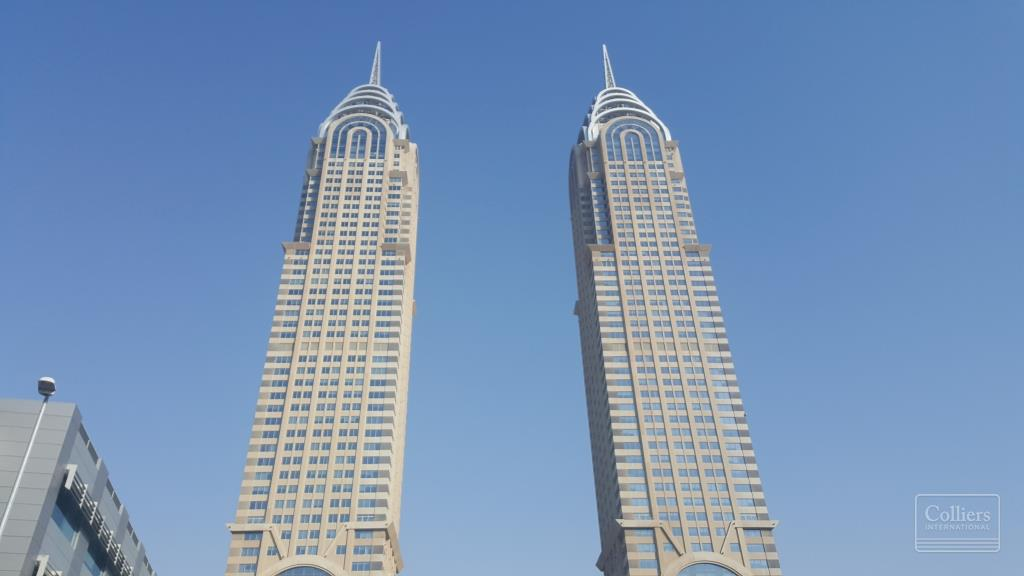
14. Grand Gateway Shanghai, Shanghai, China – 262 m (860 ft), 52 floors
The Grand Gateway Shanghai twin towers rise to 262 meters and are among the most recognizable skyscrapers in China’s largest city. Completed in 2005, they form part of the bustling Xujiahui commercial district, one of Shanghai’s most important shopping and business centers.
Each tower has 52 floors and serves as a combination of office spaces and retail outlets. At the base of the towers lies the Grand Gateway Plaza, a massive shopping complex that attracts millions of visitors each year. This integration of retail, leisure, and corporate functions makes the complex a self-contained urban destination.
The Grand Gateway Towers symbolize Shanghai’s rise as a global metropolis, blending modern skyscraper architecture with commercial vibrancy and cultural activity.
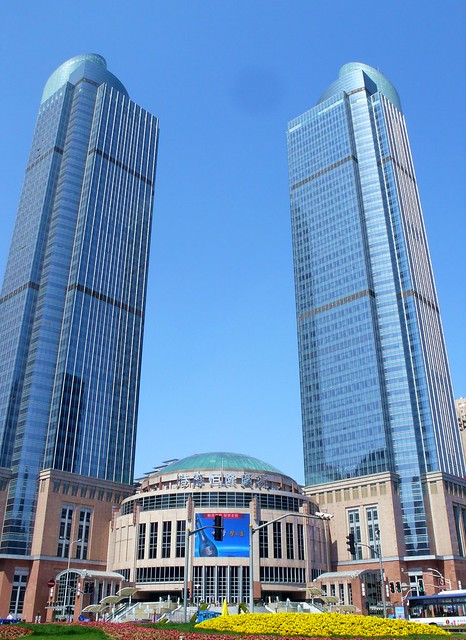
15. Bahrain Financial Harbour, Manama, Bahrain – 260 m (853 ft), 53 floors
The Bahrain Financial Harbour twin towers stand 260 meters tall and are a defining feature of Manama’s skyline. Completed in 2009, they were designed as the centerpiece of Bahrain’s efforts to diversify its economy and establish itself as a financial hub in the Gulf region.
Each of the 53-story towers provides premium office space, housing banks, investment firms, and multinational corporations. Their sleek, reflective façades symbolize modernity and progress, contrasting with Bahrain’s traditional architecture and desert backdrop. The complex also integrates retail and hospitality facilities, reinforcing its role as a financial center.
As symbols of Bahrain’s economic vision and modernization, the Financial Harbour towers stand as a statement of the nation’s ambitions to compete with neighboring financial hubs like Dubai and Doha.
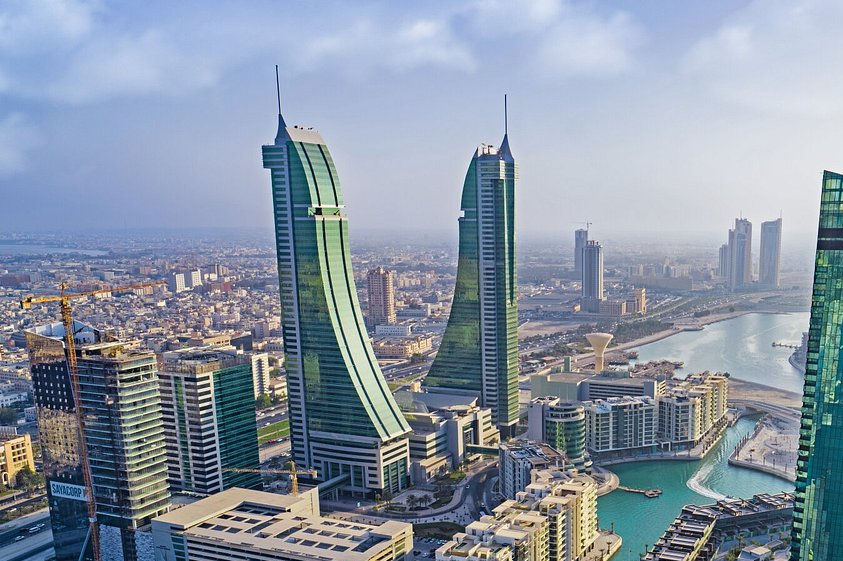
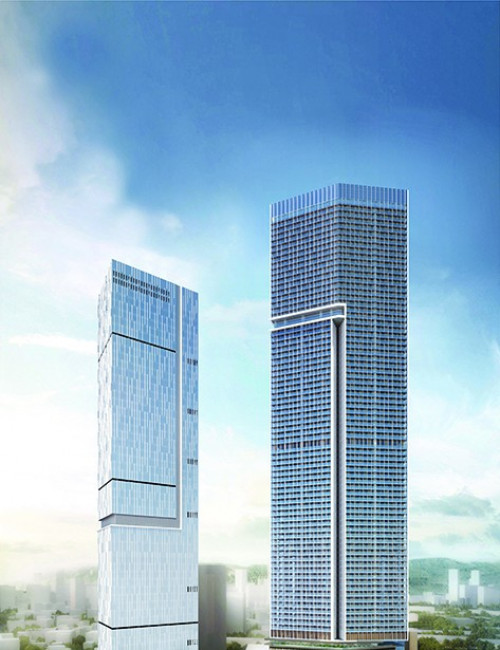
16. Three Sixty West, Mumbai, India – 260 m (853 ft), 52/66 floors
Three Sixty West is a striking twin-tower development in Mumbai, India, reaching 260 meters in height. Completed in 2018, the complex consists of two towers with 52 and 66 floors, connected by a podium that houses luxury amenities and retail spaces. The project was designed to set new standards in high-rise living and hospitality in India.
The taller tower operates as a luxury hotel under the Ritz-Carlton brand, while the shorter one contains exclusive branded residences. This blend of hospitality and residential living makes Three Sixty West one of the most prestigious addresses in Mumbai, appealing to both global elites and India’s wealthy class.
With its glass façade and modern design, the development has become a landmark of South Mumbai, symbolizing the city’s growing reputation as a hub for luxury real estate and international lifestyle experiences.
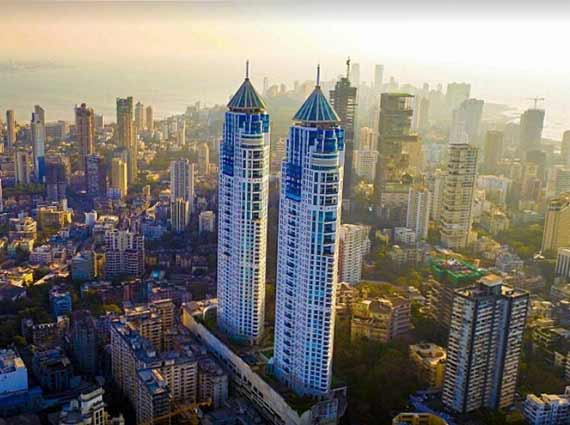
17. The Imperial, Mumbai, India – 256 m (840 ft), 60 floors
The Imperial Towers, completed in 2010, are among the most recognizable skyscrapers in Mumbai. Standing at 256 meters, these twin towers consist of 60 floors each and held the title of the tallest buildings in India for nearly a decade. Designed by architect Hafeez Contractor, they were a pioneering project in the city’s vertical development.
The towers primarily serve as luxury residential apartments, featuring expansive floor layouts and world-class facilities. With landscaped gardens, fitness centers, and clubhouses, The Imperial caters to Mumbai’s elite while setting benchmarks for high-rise living in India.
The Imperial symbolizes the shift in Mumbai’s skyline from mid-rise housing to vertical luxury developments, paving the way for future projects like World One and Three Sixty West.
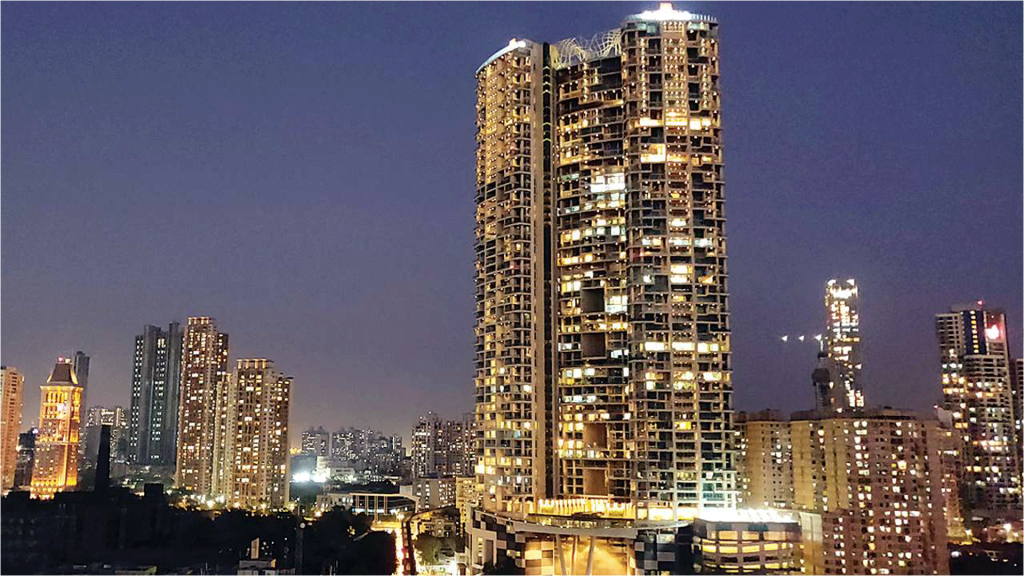
18. One Avighna Park, Mumbai, India – 251.3 m (824 ft), 61 floors
One Avighna Park is a 251.3-meter twin-tower complex in Mumbai that was completed in 2017. With 61 floors each, the towers are designed as ultra-luxury residential skyscrapers, featuring spacious apartments with panoramic views of the Arabian Sea and the city skyline.
The towers emphasize sustainable design, having achieved recognition as one of India’s eco-friendly luxury developments. They incorporate energy-efficient systems, landscaped green spaces, and high-end amenities such as sky lounges, spas, and private clubs.
Positioned in central Mumbai, One Avighna Park highlights the fusion of sustainability and luxury, showing how India’s high-rise housing market is evolving to meet global architectural and environmental standards.
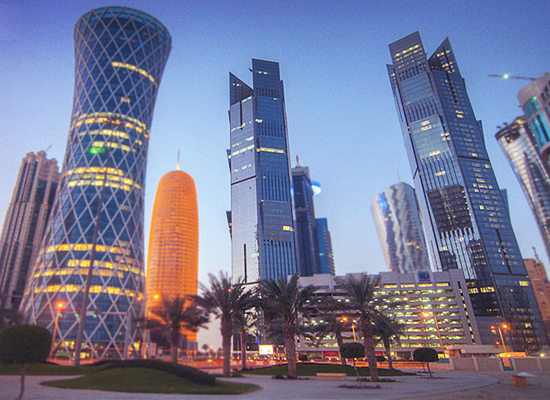
19. Palm Towers, Doha, Qatar – 251 m (823 ft), 58 floors
The Palm Towers in Doha, Qatar, rise to 251 meters and consist of twin high-rise towers with 58 floors each. Completed in the early 2010s, they were part of Qatar’s massive real estate boom leading up to its preparations for hosting major international events such as the FIFA World Cup 2022.
These towers house premium office spaces and serve as part of Doha’s West Bay business district. Their modern glass façades and symmetrical design reflect the city’s push to become a regional hub for commerce and international business.
As part of Qatar’s growing skyline, the Palm Towers highlight the nation’s ambition to rival other Gulf cities like Dubai and Abu Dhabi, contributing to its identity as an emerging financial and business hub.
20. Angsana Hotel & Suites, Dubai, UAE – 250 m (820 ft), 49 floors
The Angsana Hotel & Suites is a 250-meter twin-tower complex in Dubai, consisting of 49 floors each. Completed in 2011, the development was designed to combine hotel accommodations with serviced apartments, catering to both business travelers and long-term residents.
The towers feature a sleek, modernist design with reflective glass exteriors. Inside, they offer luxury suites, conference facilities, wellness centers, and rooftop leisure areas. The project reflects Dubai’s emphasis on blending hospitality with urban living in high-rise environments.
Strategically located in the city’s bustling Sheikh Zayed Road district, the Angsana Hotel & Suites represents Dubai’s commitment to tourism and global hospitality, serving as a gateway for international visitors and professionals alike.
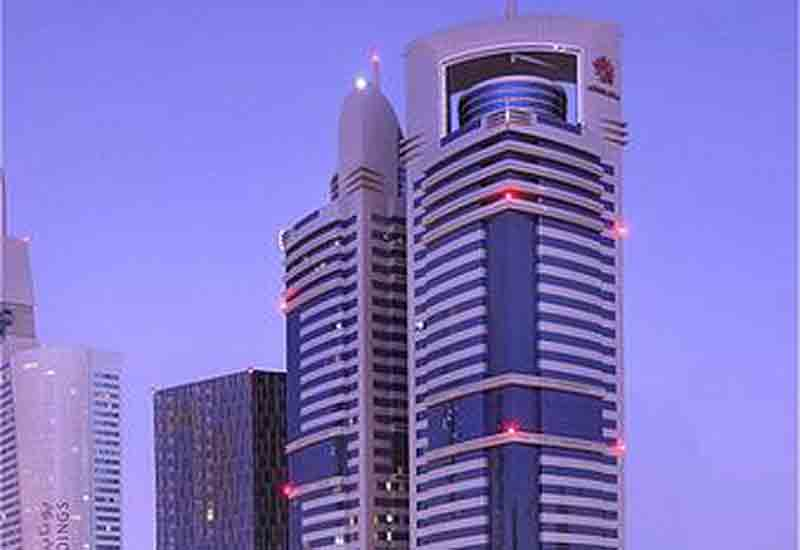
21. Queens Place, Melbourne, Australia – 249 m (817 ft), 79 floors
Queens Place is a modern residential skyscraper in Melbourne, Australia, standing at 249 meters with 79 floors. Completed in 2020, it is one of the tallest towers in the city, reflecting Melbourne’s growing reputation as a global hub for vertical living. The tower offers stunning views of the city’s skyline, the Yarra River, and surrounding districts.
The building is primarily residential, featuring luxury apartments with world-class facilities such as sky gardens, entertainment lounges, private cinemas, and wellness centers. Its design emphasizes comfort and lifestyle integration, catering to both local professionals and international residents.
Queens Place has become an iconic addition to Melbourne’s skyline, showcasing how Australian cities are adapting to high-rise, high-density living while still prioritizing community-oriented amenities.
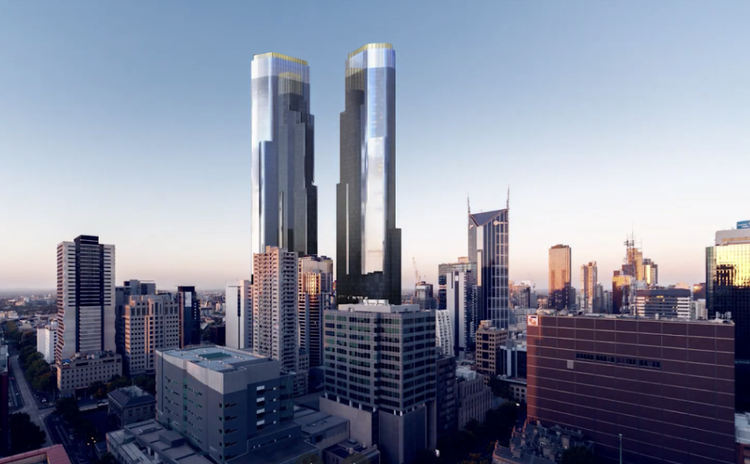
22. One9Five Asoke-Rama IX, Bangkok, Thailand – 248 m (814 ft), 61 floors
One9Five Asoke-Rama IX, located in Bangkok, Thailand, is a 248-meter residential tower with 61 floors. Completed in 2020, it is designed to cater to Bangkok’s urban professionals, offering modern apartments in one of the city’s busiest business districts.
The tower incorporates sleek architecture with a glass façade and landscaped sky gardens, promoting a blend of urban living and environmental sustainability. Facilities include swimming pools, wellness areas, co-working spaces, and entertainment zones designed for city dwellers.
Positioned in the fast-developing Rama IX area, One9Five is part of Bangkok’s transformation into a modern vertical city, providing upscale living solutions in response to rising urban density.
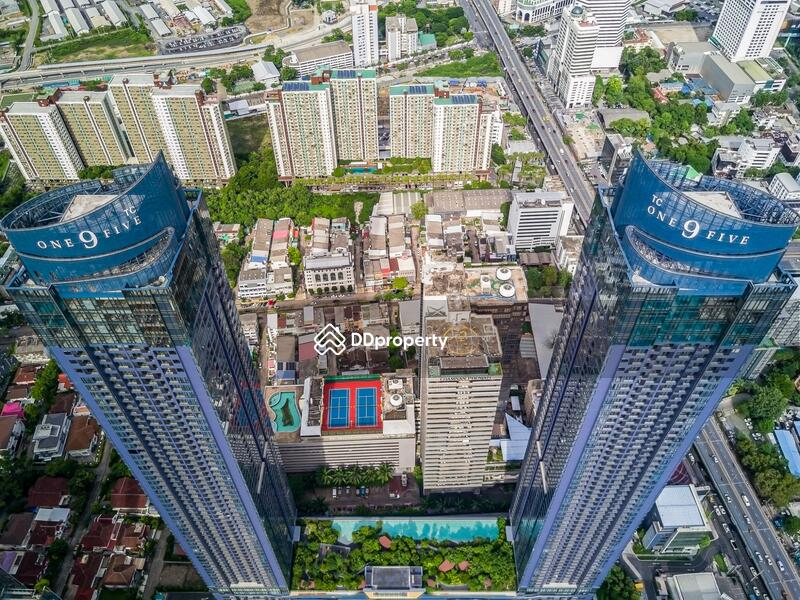
23. Aykon City, Dubai, UAE – 246 m (807 ft), 63 floors
Aykon City is a 246-meter, 63-floor development located along Sheikh Zayed Road in Dubai. Completed in 2021, it is part of a large-scale master-planned community that includes luxury residences, hotels, and office spaces.
The project features branded residences linked with the DAMAC lifestyle brand, providing luxury apartments alongside five-star hospitality services. Amenities include sky lounges, infinity pools, health clubs, and direct access to shopping and dining destinations.
Aykon City reflects Dubai’s continuing ambition to redefine urban luxury, offering residents a combination of convenience, exclusivity, and proximity to the city’s central business districts.
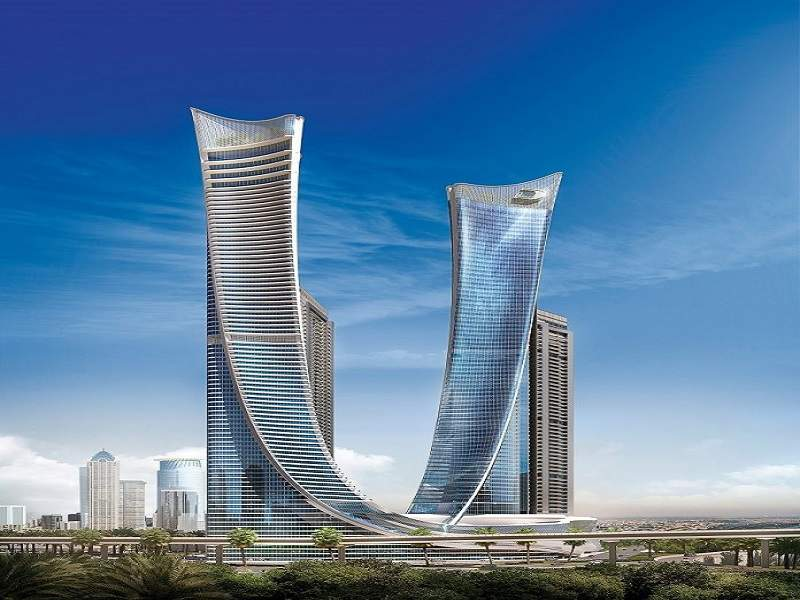
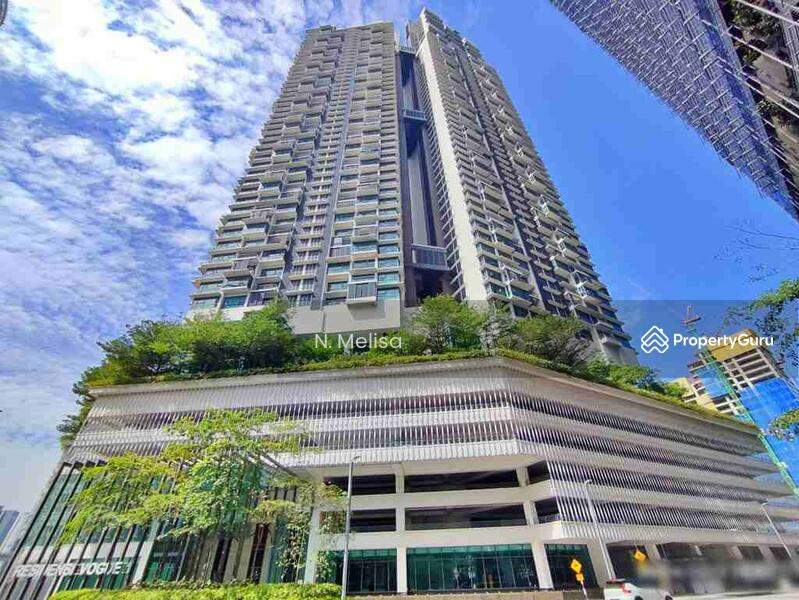
24. The Vogue Suites, Kuala Lumpur, Malaysia – 243 m (797 ft), 63 floors
The Vogue Suites in Kuala Lumpur, Malaysia, stand 243 meters tall with 63 floors. Completed in 2017, it is a high-rise residential tower located in the heart of the Mid Valley City district, a popular commercial and lifestyle hub.
The tower houses luxury serviced residences, emphasizing contemporary design and upscale living. Facilities include sky terraces, pools, gyms, and landscaped gardens, catering to young professionals and urban families.
As one of the tallest residential towers in Malaysia, The Vogue Suites highlight Kuala Lumpur’s growth as a cosmopolitan city, merging modern living with accessibility to shopping and business centers.
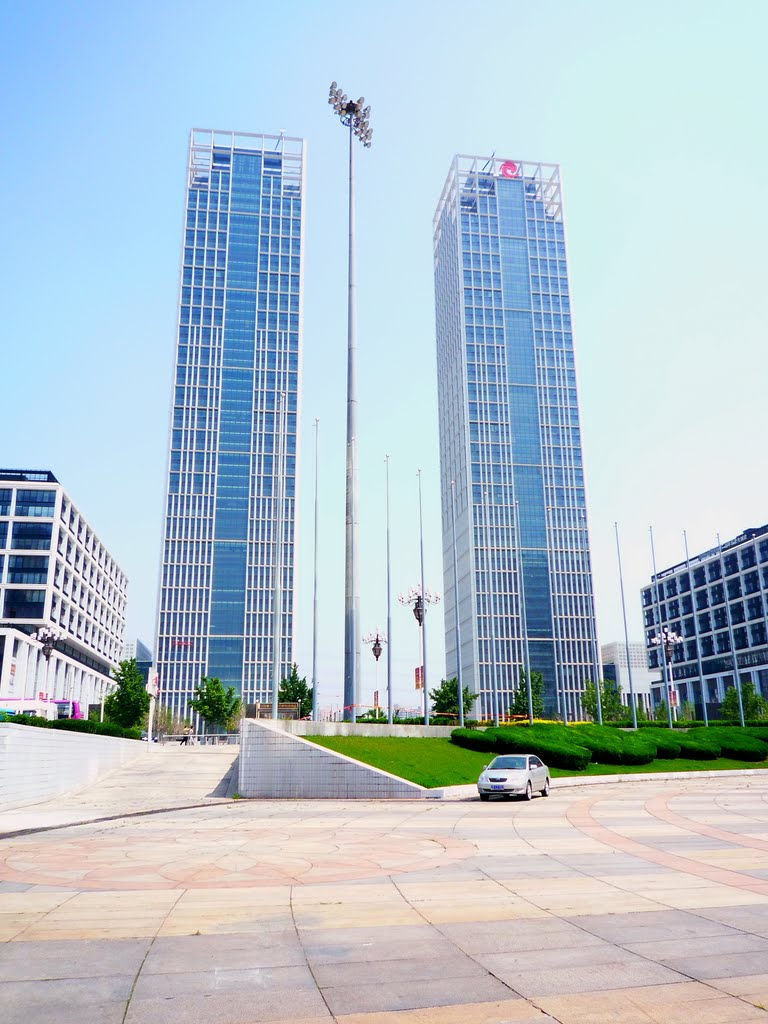
25. Futures Trading Plaza, Dalian, China – 243 m (797 ft), 53 floors
The Futures Trading Plaza in Dalian, China, is a 243-meter office skyscraper with 53 floors. Completed in 2012, it was developed as part of the city’s financial district expansion, symbolizing Dalian’s emergence as a regional business hub in Northeast China.
The tower features modern office layouts, advanced building systems, and an exterior dominated by reflective glass. It was built to accommodate trading companies, financial firms, and multinational corporations looking to establish themselves in the growing Dalian market.
Standing tall in Dalian’s skyline, Futures Trading Plaza underscores China’s rapid urban and financial development, representing both economic ambition and architectural progress.
Conclusion
The world’s tallest twin towers are more than just feats of engineering — they are cultural icons that tell stories of progress, innovation, and vision. Each set of towers reflects the unique identity of its city, becoming symbols of modernity and pride for the people who live and work around them. As technology continues to evolve, it’s exciting to imagine how much higher and more ambitious twin tower designs will become in the years ahead.
From the Petronas Towers in Kuala Lumpur to the newest entries rising in booming global cities, these skyscrapers will continue to redefine skylines and inspire generations. The Top 25 Tallest Twin Towers in the World are not just records of height, but enduring testaments to human creativity and determination — standing tall, side by side, as lasting monuments of architectural excellence. The height differences are staggering.
Other related articles
Top 25 Tallest Observation Towers in the World
Top 25 Tallest Clock Towers in the World
Top 15 Tallest Roller Coasters Ever Built
Top 25 Tallest Statues in the World
Top 20 Tallest Buildings in the World
