
Clock towers have long stood as symbols of architectural grandeur, cultural identity, and technological achievement. From ancient stone structures that marked the passage of time for communities to modern engineering marvels soaring into the sky, these towers embody a unique blend of function and artistry. They are not only practical timekeepers but also cultural landmarks that draw millions of visitors each year, leaving an indelible impression on skylines across the globe.
In today’s world, clock towers continue to fascinate with their sheer scale and intricate design. The tallest of these towers are not merely buildings; they are monuments that reflect the ambitions of nations, the craftsmanship of architects, and the evolution of human ingenuity. Exploring the tallest clock towers allows us to appreciate how different cultures have interpreted the universal concept of time through awe-inspiring architecture.
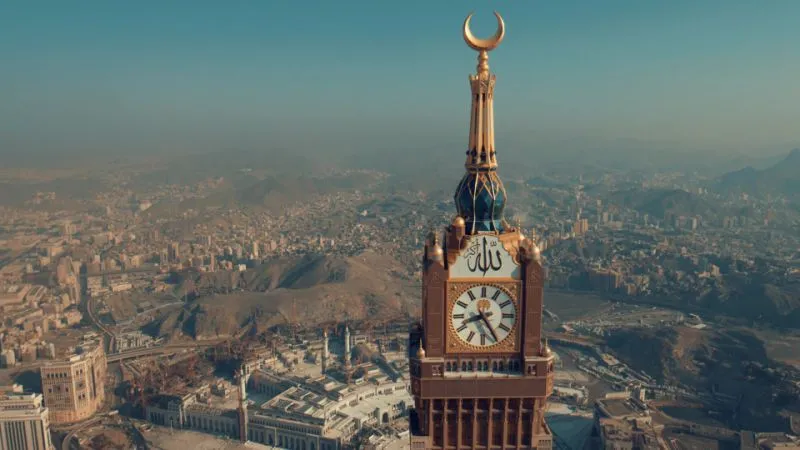
1. Abraj Al-Bait Clock Tower (Makkah Royal Clock Tower) – Mecca, Saudi Arabia – 601 m (1,972 ft)
The Abraj Al-Bait Clock Tower is the tallest clock tower in the world and part of the Abraj Al-Bait complex, a government-owned megatall skyscraper development in Mecca. Completed in 2012, it rises to an incredible 601 meters, making it not only the tallest clock tower but also one of the tallest buildings overall. Its prominent location near the Masjid al-Haram underscores its spiritual and cultural significance.
The tower’s massive four-faced clock is the largest in the world, with each face measuring 43 meters in diameter. It is visible from over 25 kilometers away, ensuring that pilgrims across Mecca can track prayer times. The clock is also illuminated by millions of LED lights, making it a striking beacon at night.
Inside, the tower houses luxury hotels, shopping malls, and a large prayer area capable of accommodating thousands of worshippers. It also features the Clock Tower Museum, which highlights Islamic history, astronomy, and timekeeping. The Abraj Al-Bait has become both an architectural marvel and a religious landmark that symbolizes modern Islamic heritage.
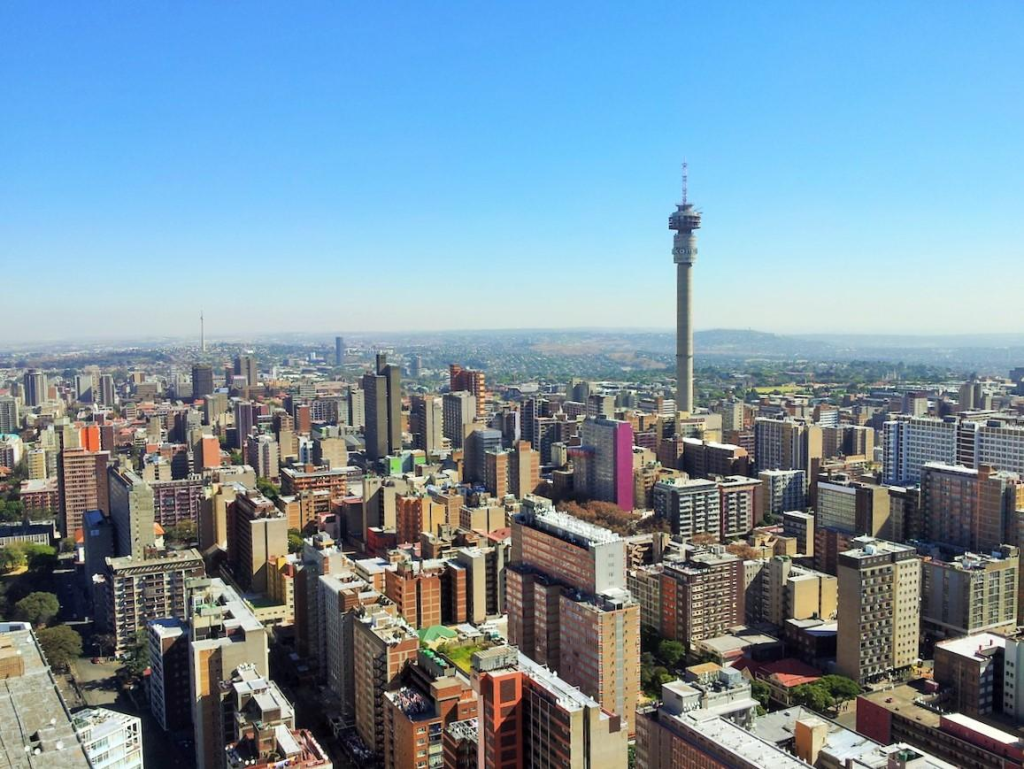
2. Hillbrow Tower Clock – Johannesburg, South Africa – 269 m (882 ft)
The Hillbrow Tower in Johannesburg, South Africa, is a telecommunications tower completed in 1971, originally known as the JG Strijdom Tower. At 269 meters, it was the tallest structure in Africa for many years and remains one of the city’s most recognizable landmarks. While primarily a telecom tower, it features a large set of clock faces that add to its prominence as a timekeeping structure.
During its early years, the Hillbrow Tower also contained a rotating restaurant and observation deck, making it a popular destination for both tourists and locals. However, due to safety and political issues during apartheid, the tower was closed to the public in 1981. Despite this, the structure still stands as a symbol of Johannesburg’s urban landscape.
In modern times, the Hillbrow Tower continues to function as a telecommunications hub, while its clock faces are visible from miles away. It remains a powerful architectural symbol of South Africa’s engineering achievements and a cultural marker for the city of Johannesburg.
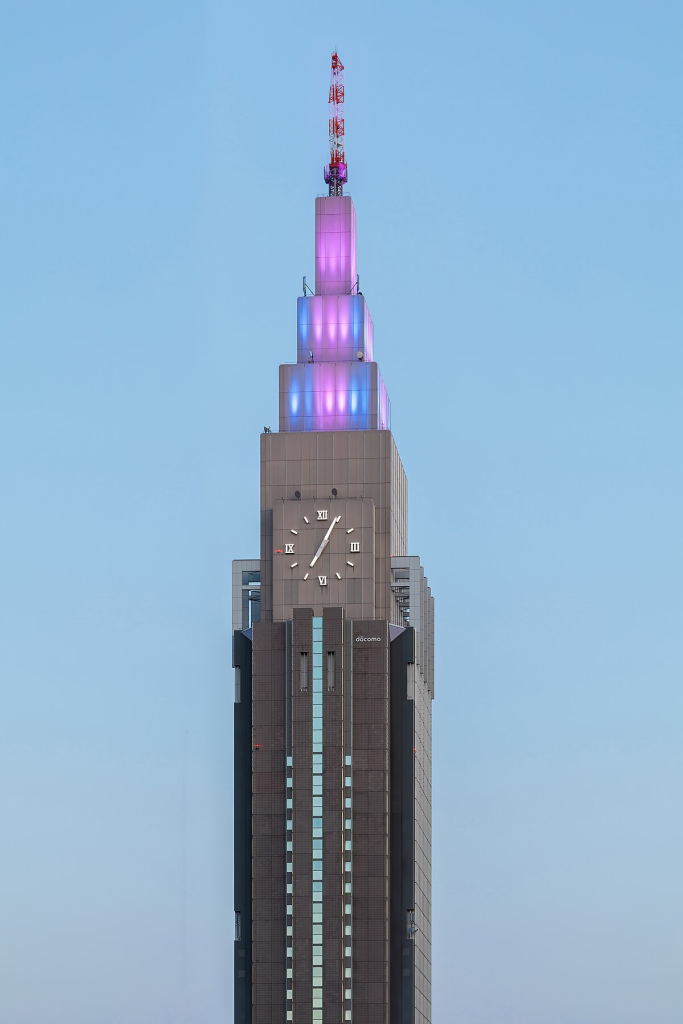
3. NTT Docomo Yoyogi Building – Tokyo, Japan – 240 m (790 ft)
The NTT Docomo Yoyogi Building is one of the tallest clock towers in the world, standing 240 meters in Tokyo’s bustling Shinjuku district. Completed in 2000, the building was constructed by Nippon Telegraph and Telephone (NTT) as a headquarters and telecommunications hub. With its sleek, modernist design, it resembles a skyscraper more than a traditional clock tower.
The building is often nicknamed the “Docomo Tower” and is sometimes compared to the Empire State Building in New York due to its Art Deco-inspired shape. Its clock face, installed in 2002 to commemorate NTT’s 10th anniversary as a private company, measures 15 meters in diameter, making it one of the largest in the world.
At night, the clock face is illuminated and changes colors for different seasons and holidays, creating a vibrant landmark in Tokyo’s skyline. The tower is not open to the public, but its presence dominates the Shinjuku area, combining modern corporate architecture with a symbolic clock feature.
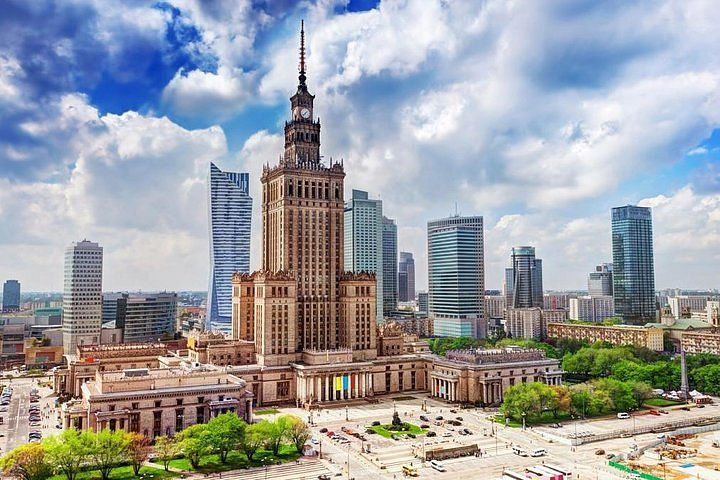
4. Palace of Culture and Science – Warsaw, Poland – 230.7 m (757 ft)
The Palace of Culture and Science is an iconic high-rise in Warsaw, Poland, standing at 230.7 meters. Gifted by the Soviet Union in 1955, it was designed in the Socialist Realist style and remains the tallest building in Poland. Its blend of monumental Soviet architecture and Polish national symbols has made it both admired and controversial throughout its history.
The clock tower was added in 2000, featuring four massive clock faces each measuring 6 meters in diameter. Positioned high on the tower, these clocks made it the tallest clock tower in the world at the time of their installation. The clocks symbolize both modernization and the tower’s evolving role in Warsaw’s urban landscape.
Today, the Palace houses theaters, cinemas, museums, offices, and an observation deck on the 30th floor, which provides panoramic views of Warsaw. Despite its contentious origins, it has become one of Poland’s most recognizable landmarks and a central feature of the capital’s skyline.
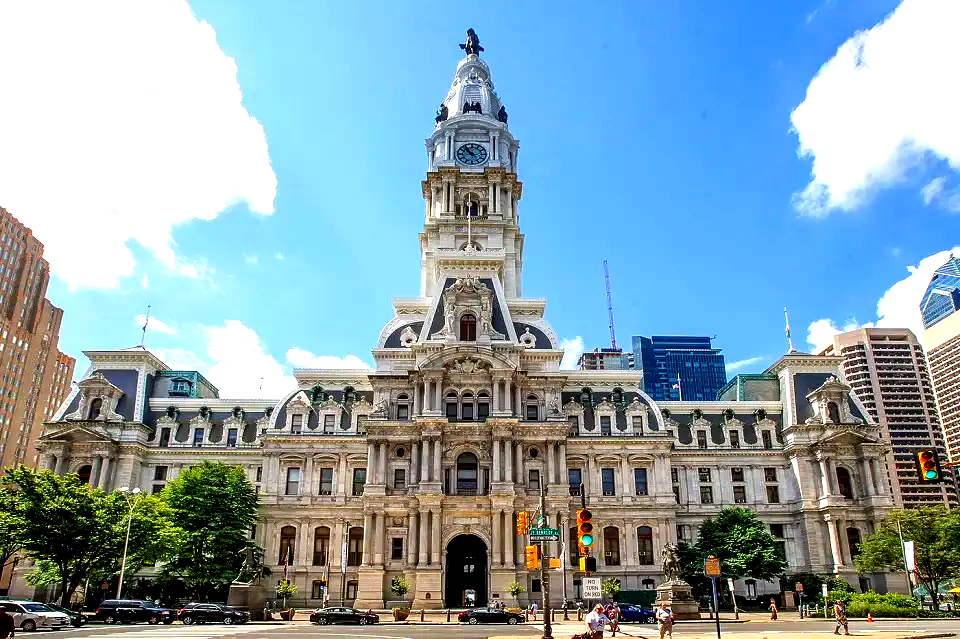
5. Philadelphia City Hall Tower – Philadelphia, USA – 167 m (548 ft)
Philadelphia City Hall is a historic architectural masterpiece completed in 1901 and designed in the French Second Empire style. Standing at 167 meters, it was the tallest habitable building in the world until 1908, and it remains the world’s tallest masonry building. The tower is crowned with a 37-foot-tall bronze statue of city founder William Penn, which itself is a prominent feature of the Philadelphia skyline.
The tower contains four large clock faces, each 8 meters in diameter, making it one of the largest municipal clock towers in the world. These clocks are illuminated and have been a centerpiece of Philadelphia’s civic pride for more than a century. The structure symbolizes the city’s ambition during the late 19th century and continues to function as the seat of government.
Beyond its timekeeping role, City Hall is also a cultural and historic icon. It houses municipal offices and courts, while its observation deck offers sweeping views of the city. As both a working government building and a monumental clock tower, it embodies the fusion of utility, art, and history.
6. Customs House Clock Tower – Mumbai, India – 101 m (331 ft)
The Customs House Clock Tower in Mumbai, India, is a historic landmark that reflects the colonial heritage of the city. Built in the 19th century during British rule, it was part of the grand Customs House complex, which managed the bustling port trade of Bombay. The clock tower was designed not only for function but also to symbolize the authority and economic importance of the British Empire in India.
Standing at 101 meters, the tower is one of the tallest colonial-era clock towers in Asia. Its Gothic Revival style, intricate detailing, and tall spire make it a distinctive feature of Mumbai’s architectural landscape. The massive clock faces, visible from a considerable distance, helped traders, sailors, and citizens alike keep track of time in a rapidly industrializing city.
Today, while the Customs House still functions administratively, the clock tower stands as a historic monument. It reminds Mumbai of its maritime past and colonial legacy, blending the city’s old-world charm with its modern identity as India’s financial hub.
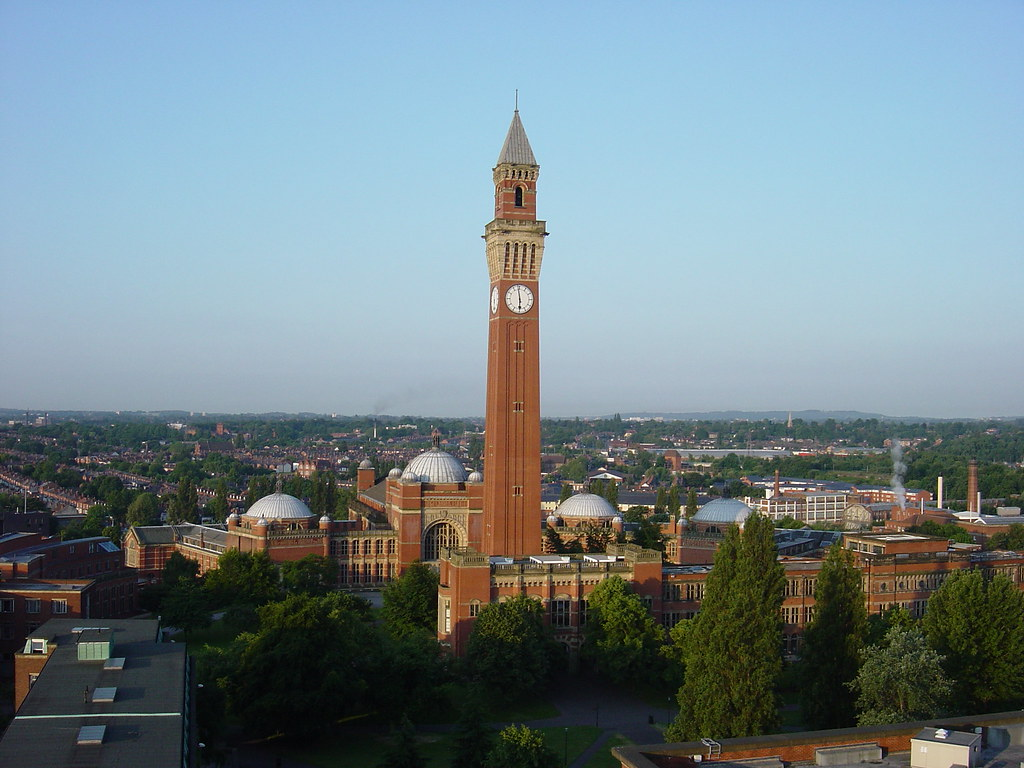
7. Joseph Chamberlain Memorial Clock Tower (Old Joe) – Birmingham, UK – 100 m (328 ft)
The Joseph Chamberlain Memorial Clock Tower, affectionately known as “Old Joe,” is located at the University of Birmingham in the United Kingdom. Completed in 1908, it was built in honor of Joseph Chamberlain, the university’s first chancellor and a prominent British statesman. Inspired by the Torre del Mangia in Siena, Italy, Old Joe combines Italian Renaissance influences with the grandeur of a university landmark.
At 100 meters tall, it is the tallest freestanding clock tower in the world. Its red brick and stone design is an iconic feature of the campus and has made it a beloved symbol of both the university and the city of Birmingham. The four large clock faces, each over 5 meters in diameter, ensure that the tower fulfills its practical role as a timekeeper.
Beyond its architectural importance, Old Joe is also deeply tied to student life and traditions. It is said that students who walk under the tower when it chimes may fail their exams, a superstition that keeps many from crossing beneath it. This mix of history, legend, and utility ensures that Old Joe remains one of the most recognizable university landmarks in the world.
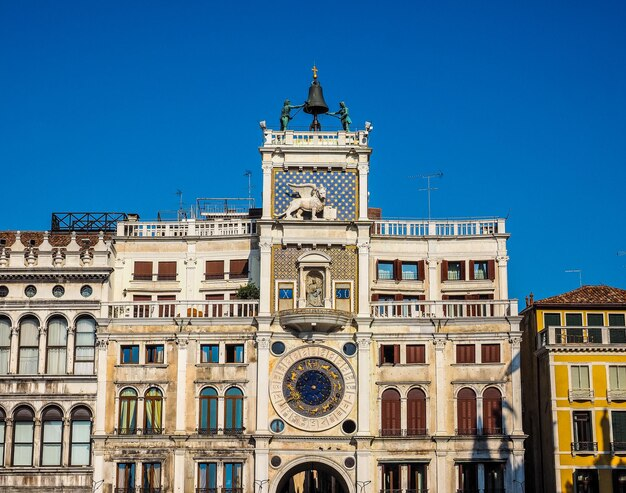
8. St Mark’s Clocktower – Venice, Italy – 98.6 m (323 ft)
St Mark’s Clocktower, or Torre dell’Orologio, is one of Venice’s most famous Renaissance landmarks. Built in the late 15th century, it is located in Piazza San Marco, directly connected to the city’s historic center. Its ornate design reflects Venetian artistry, with gilded details, blue enamel, and symbolic figures that represent the city’s maritime heritage.
The tower is most renowned for its astronomical clock, which not only tells the time but also shows the phases of the moon and the zodiac signs. Above the clock face are the bronze “Moors,” two statues that strike the bell every hour, a tradition that has fascinated Venetians and visitors for centuries. The mechanical brilliance of the clock represents the advanced engineering of the Renaissance.
Although not the tallest tower in Venice, St Mark’s Clocktower remains one of the most significant due to its artistic and historical value. It has undergone several restorations to preserve its mechanism and façade, ensuring it continues to enchant millions of tourists each year.
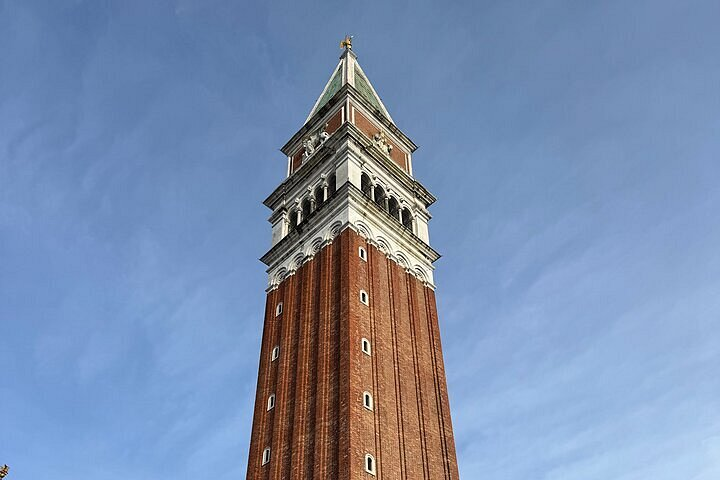
9. Campanile di San Marco (St Mark’s Campanile) – Venice, Italy – 98.6 m (323 ft)
The Campanile di San Marco, or St Mark’s Campanile, is the tallest structure in Venice and one of the city’s most iconic landmarks. Originally constructed in the 12th century, it was rebuilt multiple times due to damage from fires and earthquakes. The current structure was reconstructed in 1912 after the original collapsed in 1902, faithfully replicating the historic design.
Standing at 98.6 meters, the Campanile features a simple yet commanding brick shaft topped with a pyramidal spire and a golden statue of the Archangel Gabriel. Its height allowed it to serve as both a watchtower and lighthouse for Venetian sailors navigating the lagoon. The addition of a large clock face reinforced its practical use as a timekeeper for the city.
Today, visitors can ascend to the top of the Campanile to enjoy panoramic views of Venice and the surrounding Adriatic Sea. It remains one of the most visited monuments in Italy and a centerpiece of Piazza San Marco, blending functionality, history, and Venetian pride.
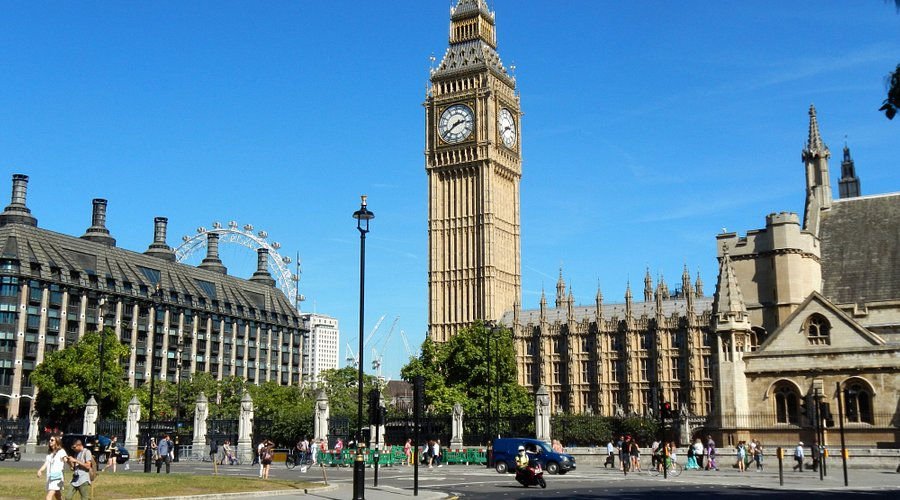
10. Big Ben (Elizabeth Tower) – London, UK – 96 m (315 ft)
Big Ben, officially known as the Elizabeth Tower since 2012, is one of the most famous clock towers in the world. Completed in 1859, it stands proudly at the north end of the Palace of Westminster in London. Its neo-Gothic design by architect Augustus Pugin complements the grandeur of Britain’s Houses of Parliament, making it an enduring symbol of the United Kingdom.
The tower reaches 96 meters in height and houses the Great Clock of Westminster, whose four dials are each over 7 meters in diameter. The name “Big Ben” originally referred to the Great Bell inside the tower, which weighs over 13 tons and produces the iconic chimes that are broadcast worldwide. For over a century, these chimes have marked the passage of time for Londoners and global audiences alike.
Beyond its practical role, Big Ben has become a cultural and political symbol of democracy and resilience. Despite wartime bombings and decades of weathering, the tower remains a global icon. Tourists flock to Westminster to see and photograph it, making it one of the most recognizable monuments in the world.
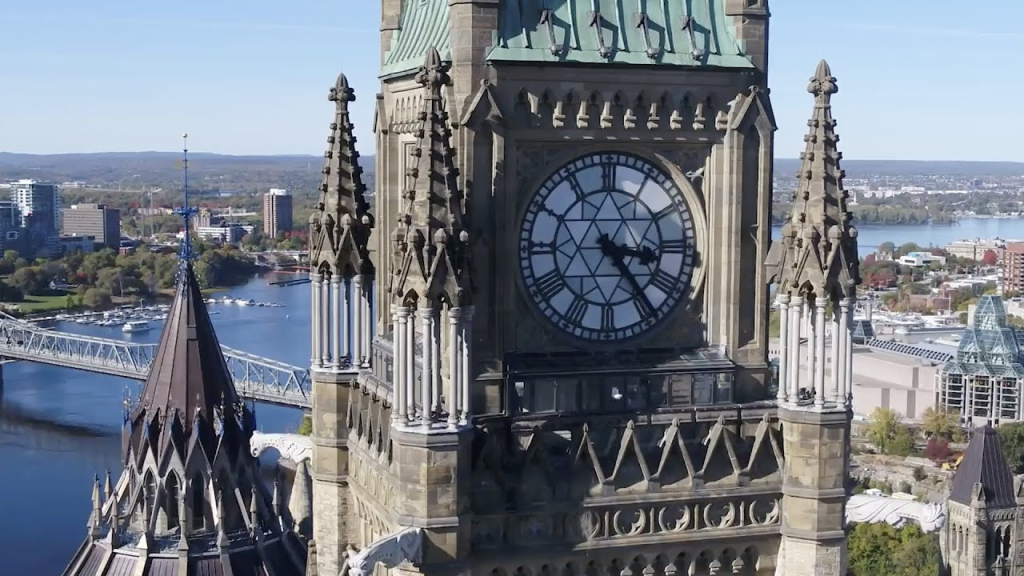
11. Peace Tower – Ottawa, Canada – 92.2 m (302 ft)
The Peace Tower, located in Ottawa, Canada, is the centerpiece of the country’s Parliament Hill. Completed in 1927, it was built to replace the original Victoria Tower, which was destroyed in the Great Fire of 1916. Designed in Gothic Revival style, the Peace Tower serves as both a functioning clock tower and a war memorial dedicated to Canadians who lost their lives in military service.
At 92.2 meters tall, the tower is adorned with stone carvings of gargoyles, grotesques, and symbolic motifs representing Canada’s history and values. The four large clock faces measure over 4 meters in diameter, ensuring visibility from across the capital city. Inside, the tower houses a carillon of 53 bells that ring out during national ceremonies and special events.
The Peace Tower holds deep symbolic meaning for Canadians. Its Memorial Chamber, located at the base, enshrines the Books of Remembrance listing the names of fallen soldiers. As both a timekeeper and a monument to sacrifice, the Peace Tower represents unity, democracy, and the enduring spirit of the nation.
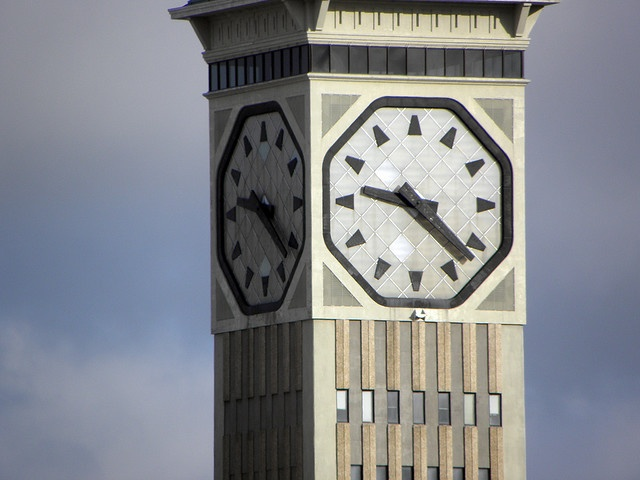
12. Allen-Bradley Clock Tower – Milwaukee, USA – 86 m (283 ft)
The Allen-Bradley Clock Tower, located in Milwaukee, Wisconsin, is a striking landmark and a feat of industrial architecture. Built in 1962 as part of the Allen-Bradley Company headquarters, it was once home to the largest four-faced clock in the world. Its modernist design stands out compared to the more traditional clock towers found in other parts of the world.
At 86 meters tall, the tower’s four clock faces each measure 12 meters in diameter, larger even than those on London’s Big Ben. The illuminated faces, often referred to as the “Polish Moon” due to the city’s large Polish-American population, are visible for miles around, serving as both a practical and symbolic beacon for the community.
Today, the Allen-Bradley Clock Tower remains an iconic symbol of Milwaukee’s industrial heritage. Though it no longer holds the world record for the largest clock faces, it continues to be one of the most prominent corporate-sponsored clock towers in the United States, blending functionality with regional pride.
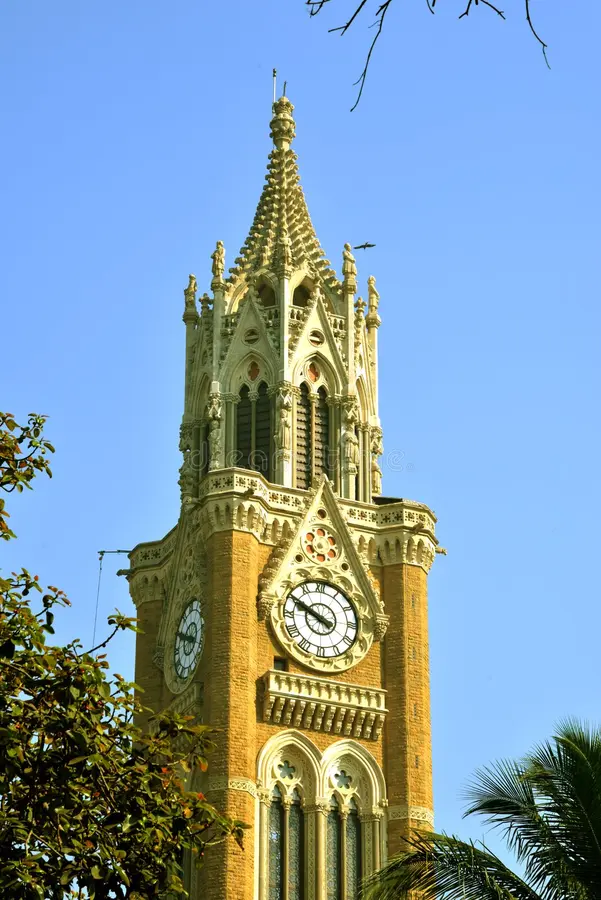
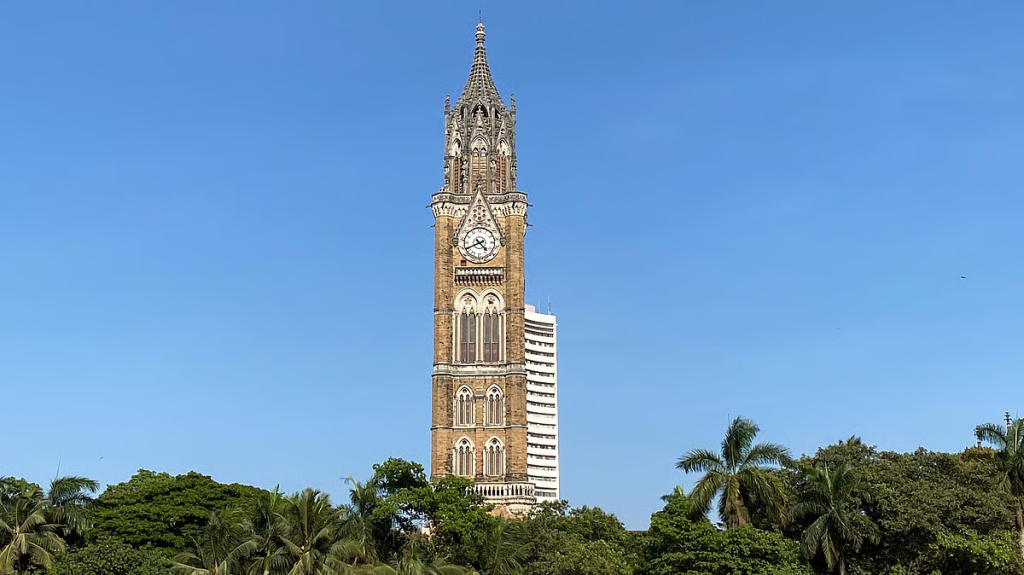
13. Rajabai Clock Tower – Mumbai, India – 85 m (279 ft)
The Rajabai Clock Tower in Mumbai, India, is a beautiful blend of Venetian and Gothic Revival architecture. Completed in 1878 and designed by British architect Sir George Gilbert Scott, the tower was funded by local stockbroker Premchand Roychand, who named it in honor of his mother, Rajabai. The tower is part of the University of Mumbai campus and has long been a cultural and academic landmark.
Standing 85 meters tall, the tower is richly decorated with stained-glass windows, intricate carvings, and ornamental detailing that reflect Mumbai’s colonial-era grandeur. Its clock mechanism originally played 16 different tunes, including “God Save the Queen” and “Home, Sweet Home,” though the chimes were later reduced to preserve the tower’s condition.
The Rajabai Clock Tower remains one of Mumbai’s most admired architectural treasures. Overlooking the Oval Maidan and visible across South Mumbai, it continues to embody the city’s historical fusion of Indian tradition and British colonial influence. Today, it is recognized as part of Mumbai’s UNESCO World Heritage Victorian and Art Deco ensemble.
14. Ferry Building Clock Tower – San Francisco, USA – 75 m (245 ft)
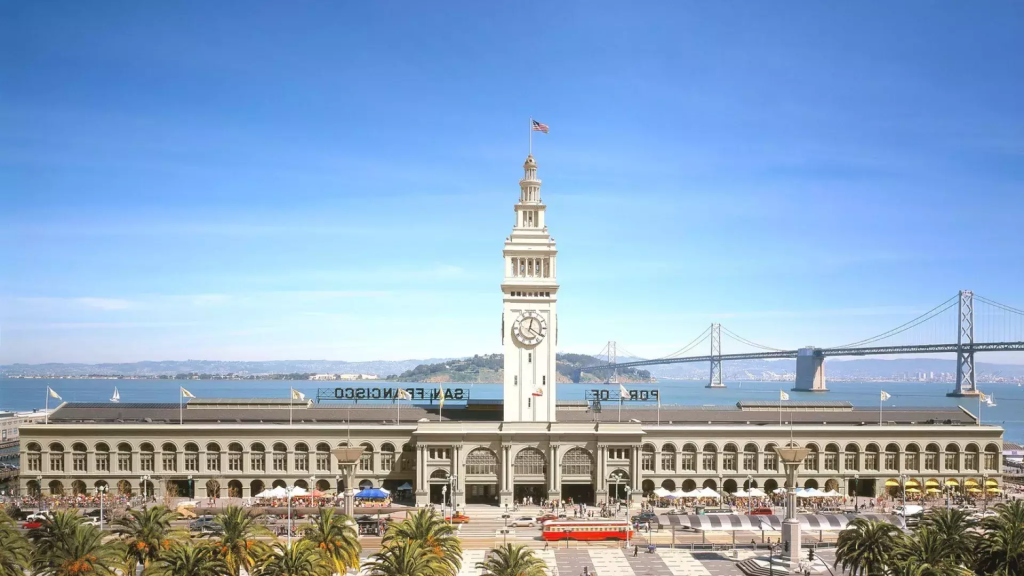
The Ferry Building Clock Tower in San Francisco is one of the city’s most recognizable waterfront landmarks. Completed in 1898, the Beaux-Arts style building was originally designed to serve as the primary ferry terminal for passengers crossing the San Francisco Bay. Its tower design was inspired by the 12th-century Giralda bell tower in Seville, Spain, blending Old World elegance with New World ambition.
At 75 meters tall, the tower’s four large clock faces measure 6.7 meters in diameter, making them visible to sailors and travelers approaching the port. For decades, the Ferry Building served as the city’s main transportation hub before the construction of the Bay and Golden Gate Bridges shifted commuting patterns. The clock tower, however, remained a prominent symbol of San Francisco’s maritime heritage.
Today, the Ferry Building has been revitalized as a public marketplace, while its clock tower continues to stand as a proud emblem of the city. It represents both historic resilience—having survived the 1906 earthquake—and San Francisco’s identity as a cultural and commercial gateway.
15. Zytglogge – Bern, Switzerland – 61 m (200 ft)
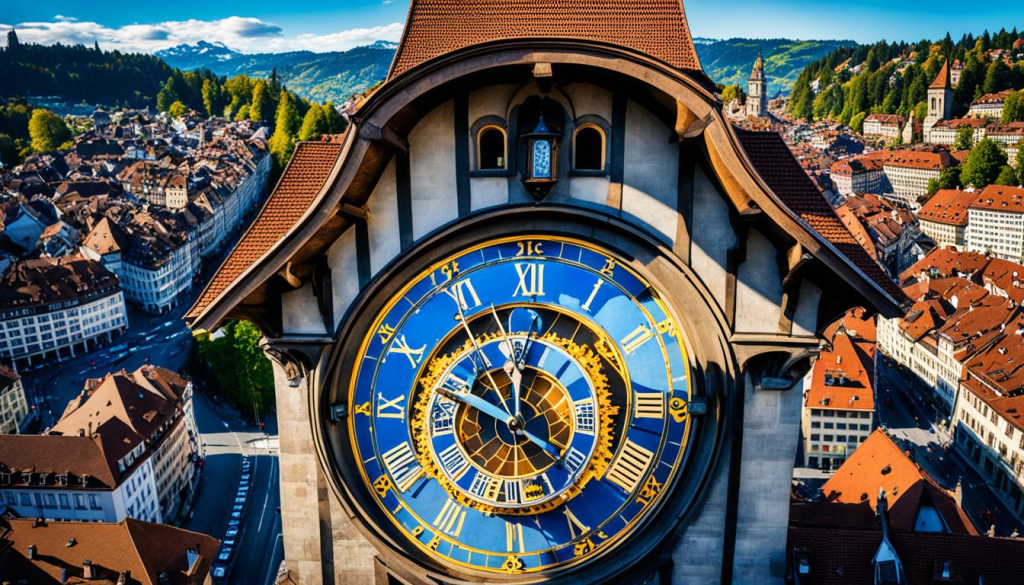
The Zytglogge in Bern, Switzerland, is one of the city’s most beloved medieval landmarks. Originally built in the early 13th century as a guard tower and city gate, it has undergone numerous transformations over the centuries, eventually becoming a clock tower in the 15th century. Today, it is both a UNESCO World Heritage Site and a symbol of Bern’s historic old town.
Standing 61 meters tall, the Zytglogge features an elaborate astronomical clock, installed in 1530, which displays not only the time but also the day, zodiac signs, and phases of the moon. The tower is famous for its animated mechanical figures, including a rooster, jester, and bears, which delight crowds with their hourly performances. This intricate system showcases the precision of Swiss clockmaking traditions.
The Zytglogge is more than just a functional timepiece; it represents Bern’s identity and medieval heritage. Tourists gather daily to watch the clock’s figures come to life, while locals regard it as an enduring reminder of the city’s craftsmanship and cultural pride. Its presence in Bern’s skyline continues to define the character of Switzerland’s capital.
16. Palais de la Bourse Clock – Marseille, France – ≈55 m (180 ft)
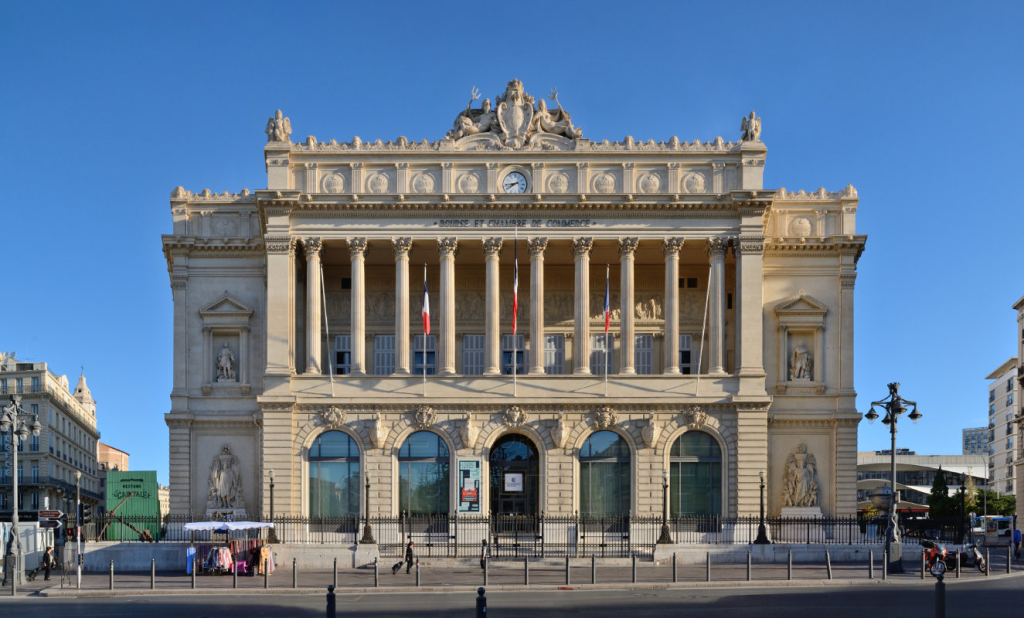
The Palais de la Bourse in Marseille, France, is a monumental building constructed in the mid-19th century to serve as the city’s Chamber of Commerce. Its grand architecture reflects the wealth and maritime power of Marseille during its peak as a major Mediterranean trading port. One of the building’s most notable features is its clock tower, which rises to about 55 meters.
The clock tower was designed to be both decorative and practical, allowing merchants, traders, and residents to keep track of time in the bustling square. Its clock face is framed by classical stonework and sculptures, complementing the ornate façade of the Palais. The structure symbolizes the fusion of commerce, architecture, and civic pride in Marseille’s history.
Today, the Palais de la Bourse and its clock tower remain an important part of the city’s heritage. While the building now houses the Marseille Chamber of Commerce and Industry, the tower continues to stand as a testament to the city’s commercial legacy and architectural grandeur.
17. Town Hall Clock Tower – Sydney, Australia – 54 m (177 ft)
The Town Hall Clock Tower in Sydney, Australia, is part of the Sydney Town Hall complex, a civic building completed in 1889. Designed in Victorian Second Empire style, the building is regarded as one of the finest examples of 19th-century architecture in the city. The clock tower rises above the sandstone façade, serving as both a visual landmark and a timekeeper for the bustling central district.
At 54 meters tall, the tower is topped with a domed cupola and adorned with four large clock faces that ensure visibility across the city center. For more than a century, the clock has marked time for Sydneysiders, chiming to regulate the daily rhythms of urban life. The tower was restored in the 20th century to preserve its structural integrity and historic design.
The Sydney Town Hall Clock Tower continues to play a prominent role in civic life. It is frequently illuminated during cultural celebrations and remains a focal point for public events and ceremonies. As part of a building that houses both local government functions and public gatherings, the tower stands as a symbol of civic pride and tradition.
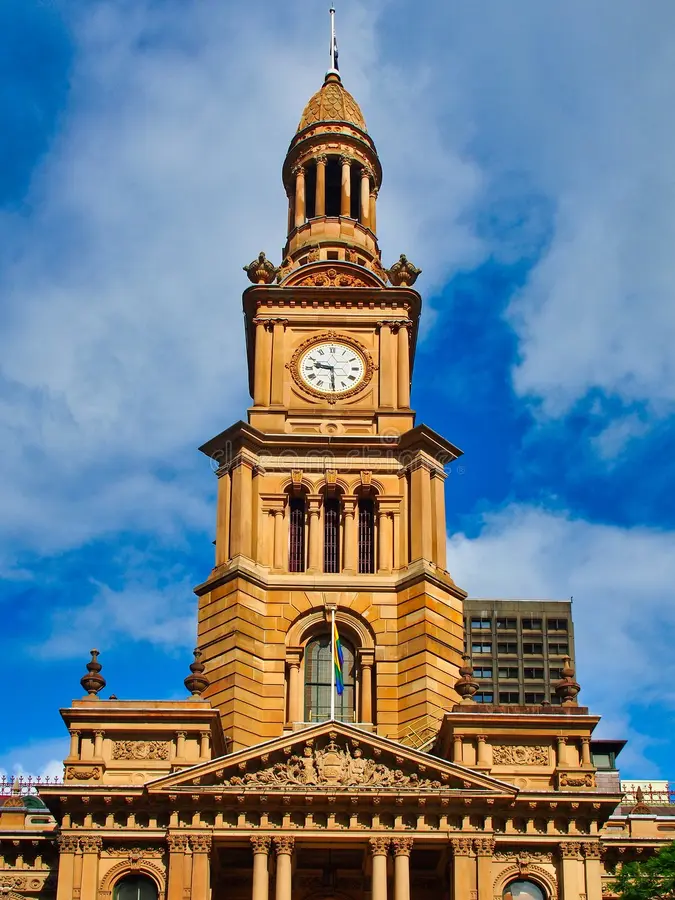
18. Victoria Clock Tower – Mumbai, India – 50 m (164 ft)
The Victoria Clock Tower in Mumbai, India, also known as the Dadabhai Naoroji Clock Tower, is a late 19th-century structure built during British colonial rule. Standing 50 meters tall, the tower was constructed to commemorate Queen Victoria and to provide a reliable public timepiece for the city’s growing population. Its Indo-Gothic design reflects the architectural style popular during Mumbai’s colonial era.
The tower is distinguished by its pointed spire, ornate stonework, and large clock faces, which dominate the surrounding area. Originally, it was one of the few prominent timekeepers in the city, serving as a central reference point for traders, workers, and residents. Its placement near key civic areas ensured maximum visibility and utility.
Though often overshadowed by larger landmarks like the Rajabai Clock Tower, the Victoria Clock Tower remains a valuable piece of Mumbai’s heritage. It reflects the city’s transformation during the colonial period and its adoption of European architectural forms. Today, it stands as a reminder of the historical blending of Indian and British influences in Mumbai’s urban fabric.
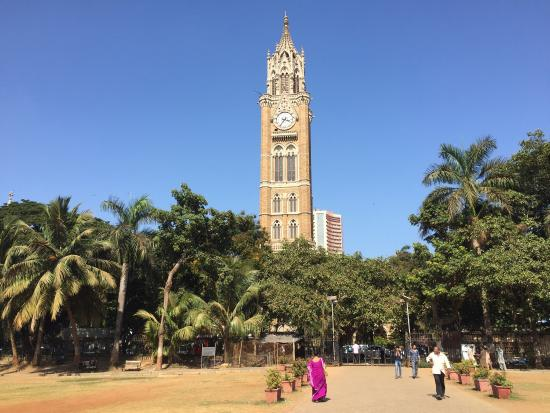
19. Gros Horloge – Rouen, France – 50 m (164 ft)
The Gros Horloge in Rouen, France, is one of the most famous Renaissance clock towers in Europe. Built in the 14th century, it features a large astronomical clock housed in a Renaissance arch that spans the busy Rue du Gros-Horloge. The adjoining belfry, which rises about 50 meters, once served as the city’s watchtower and still houses ancient bells that have marked time for centuries.
The clock itself is richly decorated with golden sun motifs, zodiac signs, and allegorical figures, reflecting both artistic beauty and scientific precision. Its mechanism, one of the oldest of its kind, operated for over four centuries before being replaced with modern machinery. Visitors can now explore the interior of the tower, where exhibitions highlight the history of timekeeping and the life of medieval Rouen.
Today, the Gros Horloge remains a centerpiece of Rouen’s historic center and a popular tourist attraction. The tower’s combination of Gothic and Renaissance elements makes it both an architectural gem and a symbol of the city’s cultural heritage. Its presence continues to mark time not only for the city but also for the many travelers who come to admire it.
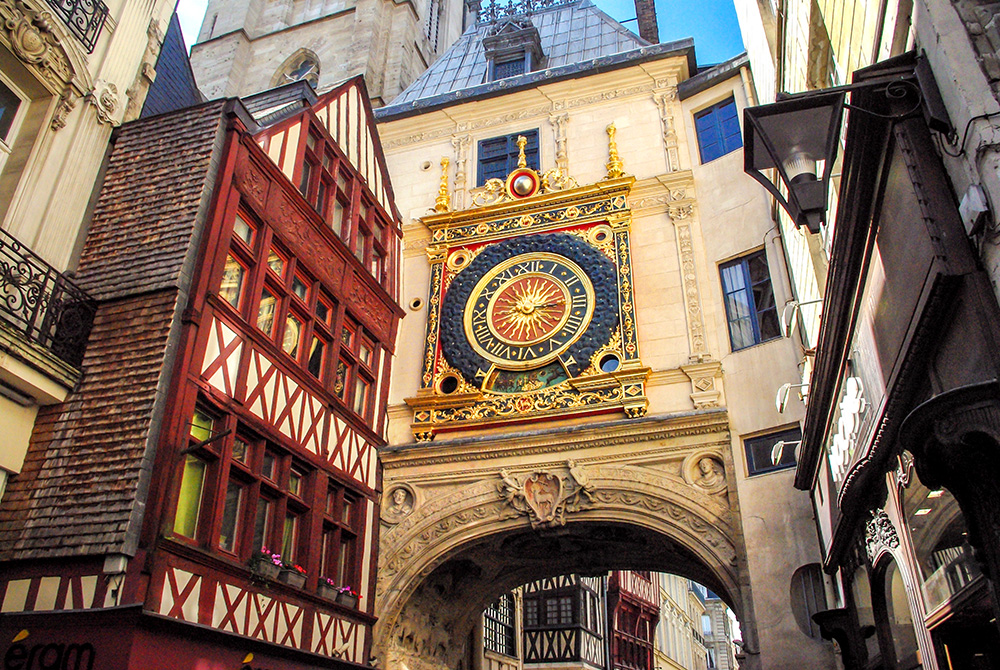
20. Portsmouth Guildhall Clock Tower – Portsmouth, UK – 50 m (164 ft)
The Portsmouth Guildhall Clock Tower is an iconic feature of Portsmouth, England, rising 50 meters above the civic square. The Guildhall itself was built in 1890 as a symbol of the city’s prosperity and civic pride, designed in a grand neo-classical style. Its clock tower immediately became a focal point of the city skyline and a central meeting place for residents.
The tower features four large clock faces, ensuring visibility across the heart of Portsmouth. The chimes of its bells, modeled after those of Big Ben in London, became a familiar sound for generations of residents. Though the building was heavily damaged during World War II, the clock tower was restored, symbolizing the city’s resilience and commitment to rebuilding.
Today, the Guildhall and its clock tower serve as both a cultural venue and a civic landmark. Concerts, festivals, and public events are often centered around the square, with the tower standing tall as a reminder of Portsmouth’s historical endurance. It continues to embody the city’s civic spirit and architectural grandeur.
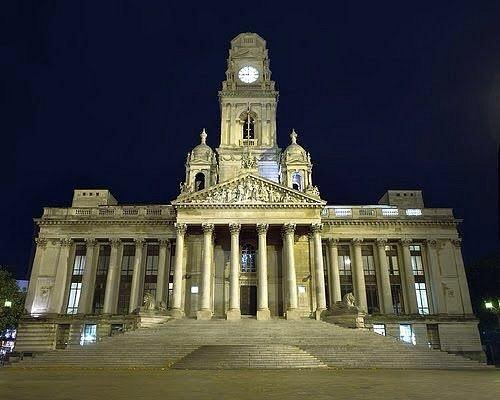
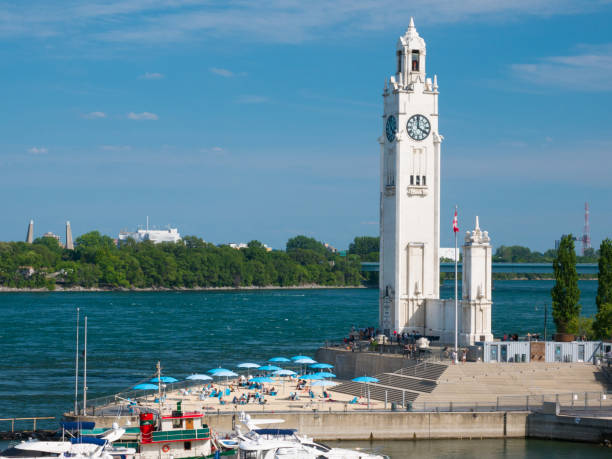
21. Montreal Clock Tower – Montreal, Canada – 45 m (148 ft)
The Montreal Clock Tower, also known as the Sailors’ Memorial Clock, stands proudly in the Old Port of Montreal. Completed in 1922, it was constructed to commemorate Canadian sailors who lost their lives during World War I. At 45 meters tall, the white neo-Gothic structure resembles a lighthouse and offers panoramic views of the St. Lawrence River and the city.
The tower’s design is both functional and symbolic. Its large clock was manufactured in England by Gillett & Johnston, a famous clockmaking company, and is renowned for its accuracy. The tower also contains a memorial plaque honoring fallen sailors, connecting the structure to the city’s maritime heritage and its wartime sacrifices.
Today, the Montreal Clock Tower is one of the city’s beloved historical landmarks. Tourists and locals alike climb its 192 steps to reach the observation deck, where they are rewarded with sweeping views. Its blend of architectural elegance, symbolic meaning, and waterfront location makes it a cultural treasure of Montreal.
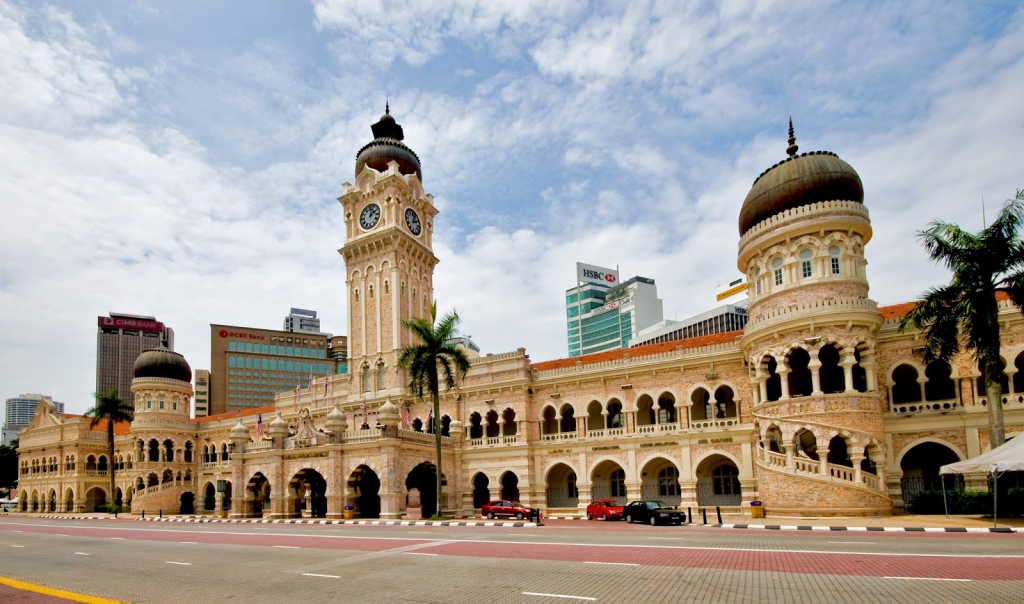
22. Sultan Abdul Samad Building Clock Tower – Kuala Lumpur, Malaysia – 41 m (135 ft)
The Sultan Abdul Samad Building in Kuala Lumpur, Malaysia, is one of the most recognizable landmarks in the city. Completed in 1897, it originally housed British colonial government offices. Rising 41 meters, its central clock tower, designed in Indo-Saracenic style, combines Moorish arches, copper domes, and Gothic influences, symbolizing Malaysia’s rich architectural blend.
The clock tower was modeled after Big Ben in London, reflecting British influence during the colonial period. It has long served as a central timekeeper for the city, and its chimes once marked the beginning and end of the workday for government employees. The tower has also witnessed key moments in Malaysian history, including the declaration of independence in 1957.
Today, the building and its clock tower are focal points during national celebrations such as Merdeka Day. Illuminated at night, the tower remains a stunning icon of Kuala Lumpur’s architectural and cultural landscape. It continues to represent Malaysia’s history, heritage, and journey from colonial rule to independence.
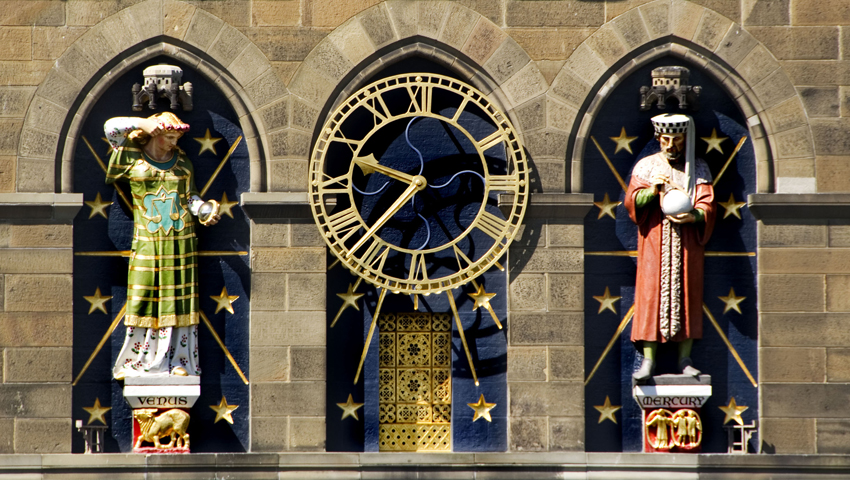
23. Cardiff Castle’s Clock Tower – Cardiff, Wales – 40 m (131 ft)
Cardiff Castle’s Clock Tower is one of the most distinctive Victorian Gothic landmarks in Wales. Added to the medieval castle in the late 19th century, it was designed by architect William Burges as part of a grand transformation commissioned by the wealthy Marquess of Bute. Standing 40 meters tall, the tower combines fantasy-inspired Gothic architecture with ornate decoration.
The tower is adorned with colorful statues representing figures from mythology, astrology, and history, giving it a whimsical yet imposing presence. Its clock faces are richly decorated and framed by turrets and battlements, blending medieval inspiration with Victorian romanticism. Inside, the rooms are equally lavish, showcasing Burges’s flair for artistic detail.
Today, Cardiff Castle’s Clock Tower is a beloved symbol of the city, rising above the surrounding parklands and city center. It attracts countless visitors who come to admire its eclectic design and the castle’s fascinating layers of history. The tower stands as a testament to Cardiff’s cultural heritage and architectural creativity.
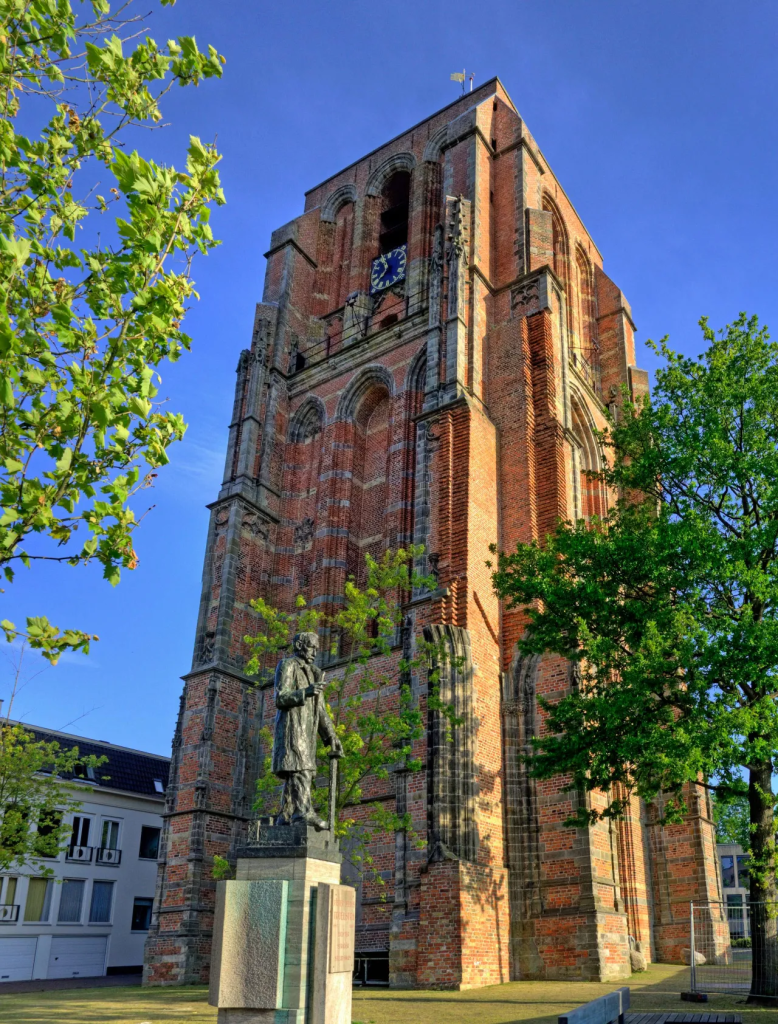
24. Oldehove Tower – Leeuwarden, Netherlands – 39 m (128 ft)
The Oldehove Tower in Leeuwarden, the capital of Friesland, is one of the most unusual landmarks in the Netherlands. Construction of the Gothic-style tower began in 1529, intended to be part of a grand church that would rival other great towers in the region. However, due to soft ground and unstable foundations, the tower began to tilt during construction, and the project was eventually abandoned, leaving the tower unfinished at only 39 meters high.
Despite its incomplete state, the Oldehove quickly became an icon of the city. Its leaning structure is often compared to the Leaning Tower of Pisa, though it is less known internationally. The tilt gives it a distinctive charm, and the uneven walls and crooked silhouette tell the story of the architectural challenges faced during its construction. Over the centuries, it has served as a bell tower and watchtower for the city.
Today, the Oldehove is a celebrated historic monument and tourist attraction in Leeuwarden. Visitors can climb the winding staircase to enjoy panoramic views of the city from the top, all while experiencing the noticeable tilt inside the structure. Its cultural significance and quirky design make it a beloved symbol of Leeuwarden, representing both the city’s medieval heritage and its unique character.
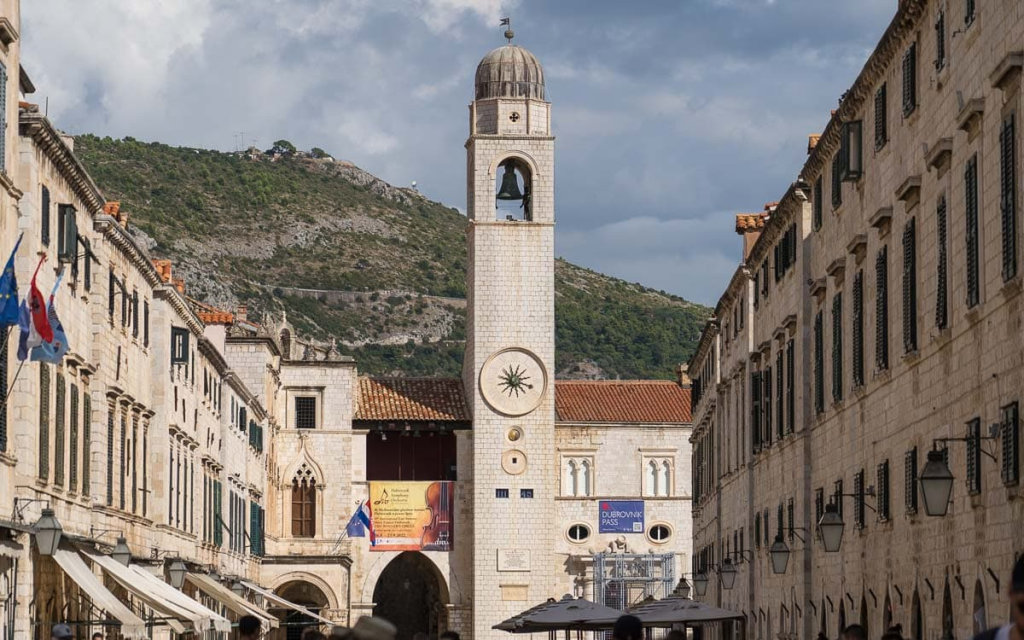
25. Dubrovnik Bell Tower – Dubrovnik, Croatia – 31 m (102 ft)
The Dubrovnik Bell Tower is a historic landmark rising above the old town of Dubrovnik, Croatia, a UNESCO World Heritage site. Originally constructed in 1444, the tower was designed as part of the city’s defensive and civic architecture, serving both practical and symbolic purposes. Standing 31 meters tall, it has long been one of the most recognizable features of Dubrovnik’s skyline, visible from the city walls and main square.
Over the centuries, the tower endured damage from earthquakes, particularly the devastating one in 1667 that destroyed much of Dubrovnik. It was later rebuilt and restored, with significant renovations in the 18th and 20th centuries to preserve its structural stability. The bell tower is topped with a clock and is home to two bronze figures known as the “Maro” and “Baro” (nicknamed Zelenci), which strike the bell every hour, a tradition that has continued for centuries.
Today, the Dubrovnik Bell Tower remains both a cultural symbol and a living part of city life. Located at the eastern end of the Stradun, the main street of Dubrovnik’s Old Town, it is a focal point for visitors exploring the medieval architecture of the city. The rhythmic ringing of its bells not only marks the passage of time but also connects the present-day Dubrovnik to its long and storied past.
Conclusion
The tallest clock towers in the world showcase more than just the measurement of time—they stand as enduring legacies of history, culture, and innovation. Each tower tells a story: from the aspirations of empires that built them, to the cities that continue to celebrate them as icons of identity and pride. They remind us that timekeeping is not only a necessity but also an opportunity to create lasting beauty and heritage.
As we admire these architectural giants, we also recognize their role in connecting the past with the present. Whether serving as civic symbols, tourist attractions, or engineering triumphs, the world’s tallest clock towers inspire us to look upward and reflect on the passage of time itself. Their presence on city skylines reminds us that while time marches on, human creativity leaves behind structures that endure for generations.
Other related articles
Top 15 Tallest Roller Coasters Ever Built
Top 25 Tallest Statues in the World
Top 20 Tallest Buildings in the World
Top 25 Tallest NBA Players of All Time

2 thoughts on “Top 25 Tallest Clock Towers in the World”