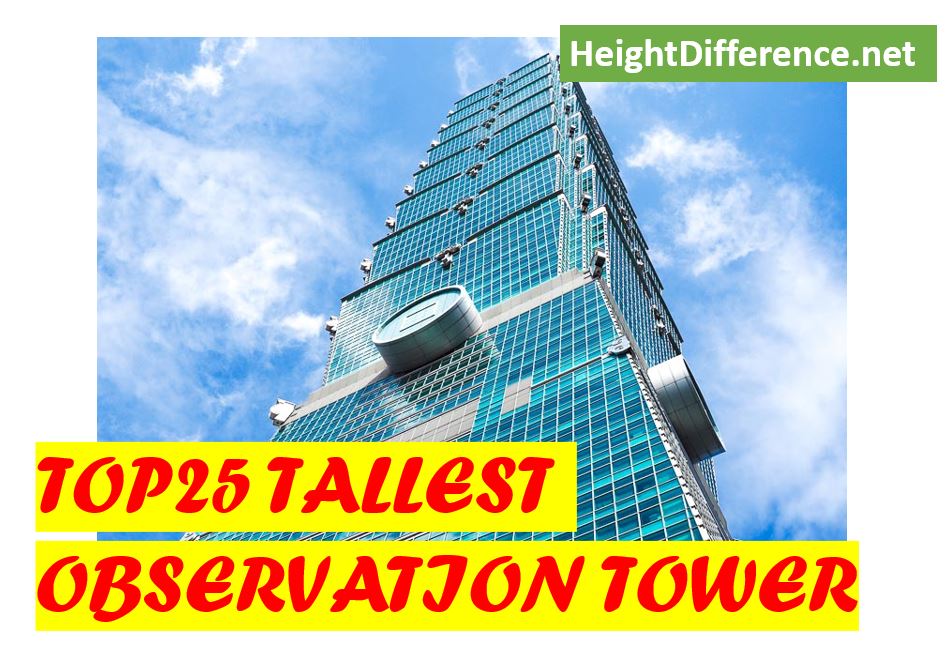
Observation towers are among the most iconic symbols of modern architecture and engineering, offering breathtaking views of cities, landscapes, and skylines from hundreds of meters above the ground. Designed primarily to provide panoramic perspectives, these structures also serve as landmarks that embody the ambition and creativity of the nations that built them. From Asia’s soaring giants to Europe’s historic towers, each one captures the imagination of visitors who climb to their heights to see the world from a different angle.
The tallest observation towers are more than tourist attractions — they are testaments to human ingenuity and cultural identity. They combine function with beauty, showcasing innovative designs that often reflect local heritage, while simultaneously pushing the limits of structural engineering. Exploring the tallest of these towers gives us a glimpse into how nations use architecture not only to reach for the skies but also to share their stories with the world.
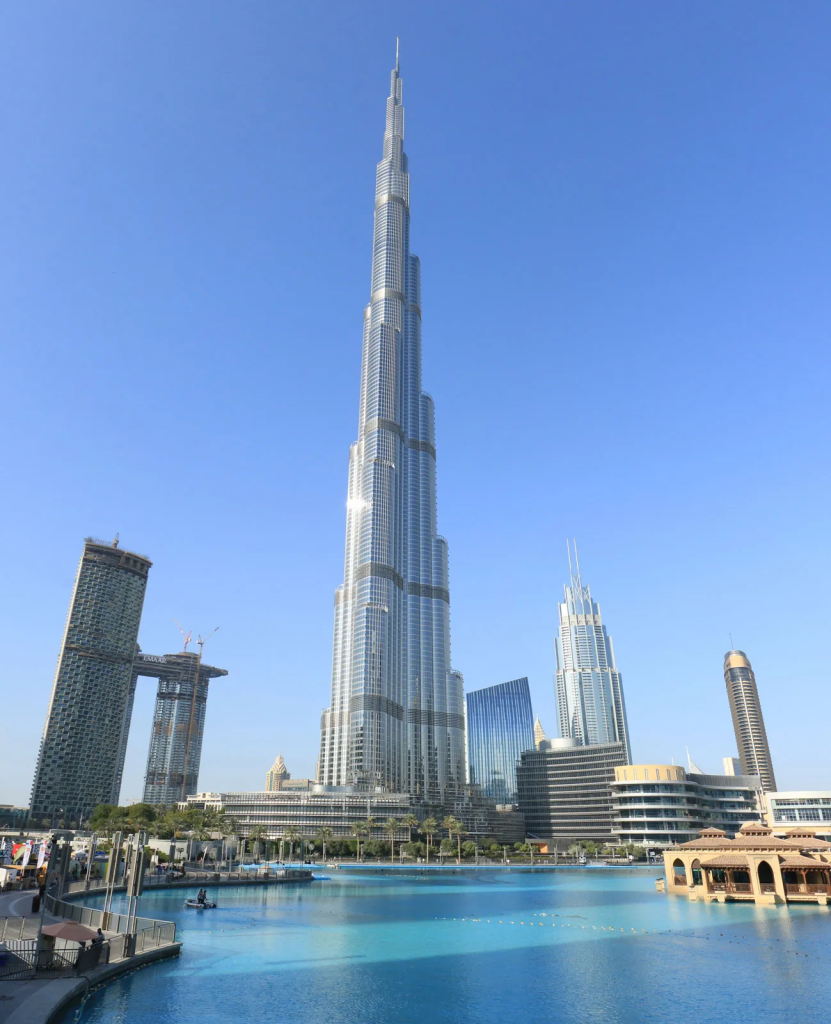
1. Burj Khalifa – Dubai, UAE (Observation deck: 585 m | Total height: 828 m)
The Burj Khalifa stands as the tallest building in the world and also hosts the highest observation deck, situated at an impressive height of 585 meters. Opened in 2010, it is an architectural marvel designed by Adrian Smith of Skidmore, Owings & Merrill. The structure’s sleek, tapering design was inspired by the Hymenocallis flower, symbolizing both elegance and innovation in engineering.
The observation deck offers breathtaking panoramic views of Dubai’s skyline, desert landscapes, and the Persian Gulf. Visitors can access the “At the Top SKY” lounge, which combines luxury with unmatched visibility across the city and beyond. It has become a major tourist attraction, drawing millions of visitors each year.
Apart from being an observation point, the Burj Khalifa also houses residences, offices, and the Armani Hotel. It is a cultural and economic symbol for Dubai, reflecting the city’s ambition to be a global hub of modern architecture and tourism. The observation deck remains one of the most visited in the world.
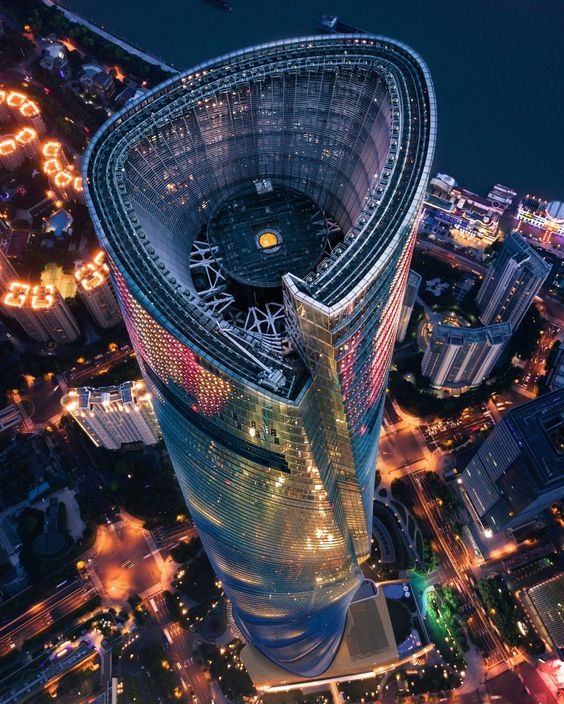
2. Shanghai Tower – Shanghai, China (Observation deck: 562 m | Total height: 632 m)
The Shanghai Tower is the tallest building in China and the second tallest in the world, with an observation deck reaching 562 meters. Completed in 2015, it is part of the Lujiazui financial district in Pudong and serves as a centerpiece of Shanghai’s futuristic skyline. Its twisting design reduces wind loads and enhances stability, while also standing as a symbol of modern Chinese architecture.
Its observation deck, known as the “Top of Shanghai,” provides 360-degree views over one of the most dynamic cities in the world. On clear days, visitors can see the Huangpu River winding through the city and admire nearby skyscrapers like the Shanghai World Financial Center and Jin Mao Tower. It is renowned for offering the highest indoor observation platform on Earth.
Beyond tourism, the Shanghai Tower integrates sustainability features, such as wind turbines and a rainwater recycling system. It demonstrates China’s commitment to green design and urban development while offering an awe-inspiring experience for global visitors.
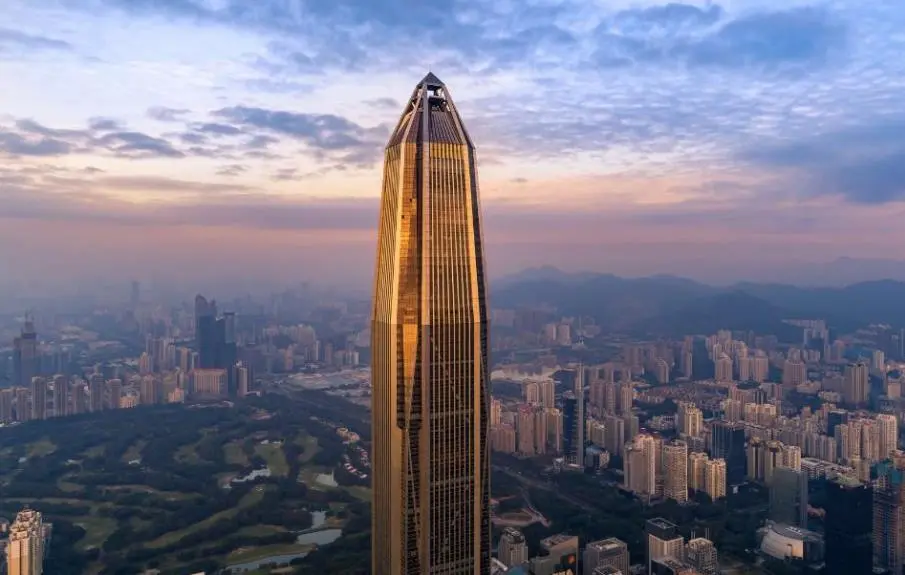
3. Ping An Finance Centre – Shenzhen, China (Observation deck: 562 m | Total height: 599 m)
The Ping An Finance Centre in Shenzhen is among the tallest skyscrapers in the world, with its observation deck set at 562 meters. Completed in 2017, it was designed by Kohn Pedersen Fox Associates and serves as the headquarters for Ping An Insurance, one of China’s leading financial companies. The tower stands as a prominent landmark in Shenzhen’s rapidly growing skyline.
The observation deck, known as “Free Sky,” is one of the highest observation platforms in the world. From here, visitors can take in sweeping views of Shenzhen’s dense cityscape, the surrounding Pearl River Delta, and even Hong Kong on clear days. Its floor-to-ceiling glass panels create an immersive visual experience.
Besides being a tourist attraction, the tower is a hub of commerce, containing office spaces, a shopping mall, and conference facilities. The observation deck contributes to Shenzhen’s reputation as a world-class city that balances business innovation with cultural tourism.
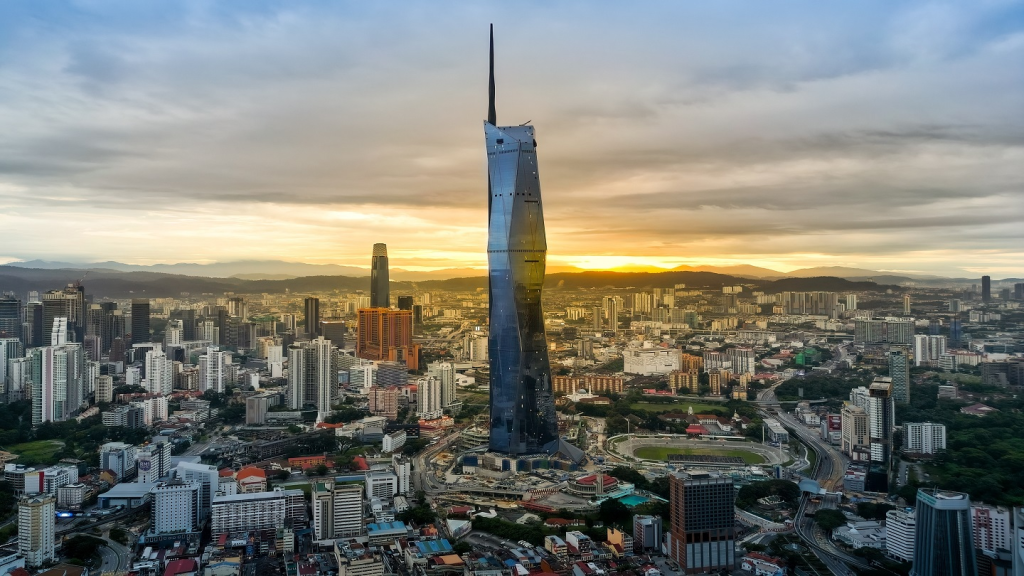
4. Merdeka 118 – Kuala Lumpur, Malaysia (Observation deck: 510 m | Total height: 679 m)
Merdeka 118 is the tallest building in Malaysia and Southeast Asia, and the second tallest building in the world by height to top. Its observation deck, placed at 510 meters, offers extraordinary views of Kuala Lumpur and its surrounding regions. Completed in 2023, the tower is designed with geometric patterns inspired by Malaysian culture, celebrating the nation’s identity and independence.
The deck provides a unique vantage point to see the city’s iconic landmarks, including the Petronas Towers and the Kuala Lumpur Tower. It is expected to become a new tourism magnet, complementing Malaysia’s already rich blend of modern and historical attractions. Visitors can enjoy immersive experiences, combining cutting-edge digital displays with sweeping city views.
Merdeka 118 is not just an observation tower but also a mixed-use development with offices, retail spaces, a hotel, and residential areas. It reflects Malaysia’s aspirations for global recognition while honoring its cultural heritage through architectural symbolism.
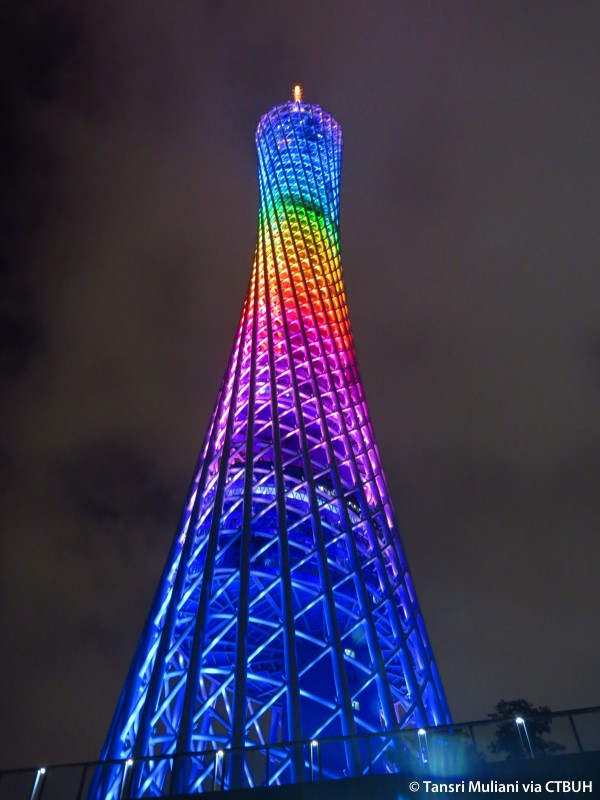
5. Canton Tower – Guangzhou, China (Observation deck: 488 m | Total height: 604 m)
The Canton Tower, completed in 2010, is one of the tallest freestanding structures in the world and a defining landmark of Guangzhou. With an observation deck at 488 meters, it provides unparalleled views of the city and the Pearl River. Its slim, twisting design earned it the nickname “Supermodel” for its elegance and slender structure.
The tower offers multiple observation experiences, including the “Sky Drop,” the world’s highest vertical free-fall ride, and transparent observation pods that circle the building’s top. Its 360-degree observation decks are popular with both tourists and locals, especially at night when the tower’s LED lighting system illuminates the skyline.
In addition to its role as an observation tower, Canton Tower also serves broadcasting functions and houses restaurants, exhibition spaces, and entertainment facilities. It stands as both a technological achievement and a symbol of Guangzhou’s modernization.
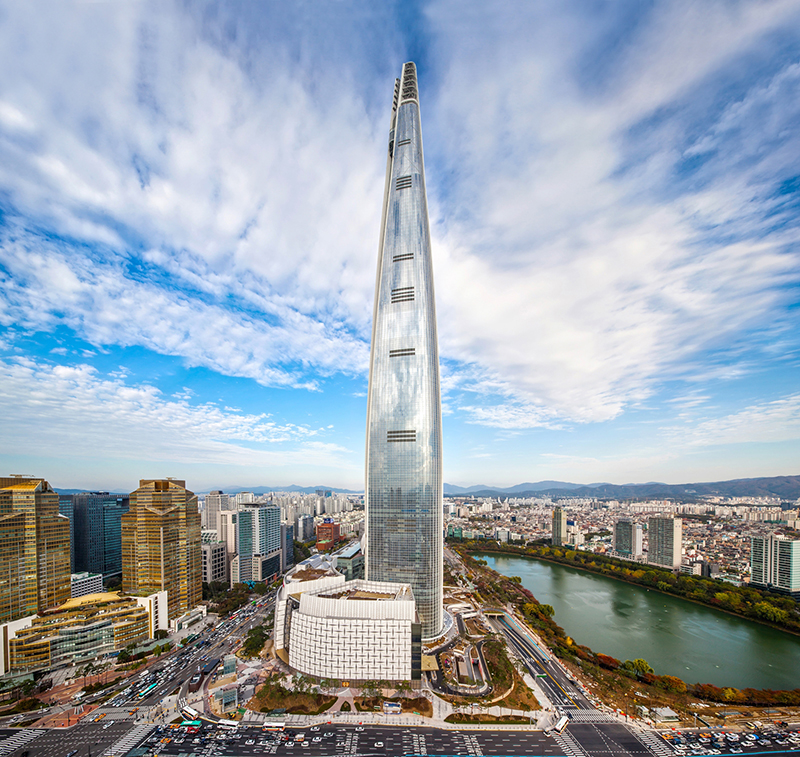
6. Lotte World Tower – Seoul, South Korea (Observation deck: 486 m | Total height: 555 m)
The Lotte World Tower is the tallest building in South Korea and one of the tallest in the world, with its observation deck placed at 486 meters above ground. Completed in 2016, the skyscraper stands as a striking symbol of Seoul’s modern development. Its sleek, tapered design reflects both cutting-edge engineering and traditional Korean artistry.
The observation deck, known as “Seoul Sky,” offers expansive views over the sprawling city of Seoul, the Han River, and the surrounding mountains. Visitors can also experience the thrill of standing on the glass-floored Sky Deck, which provides a direct view of the streets far below. At sunset and nighttime, the deck is particularly popular for its breathtaking city lights.
Apart from its observation facilities, the tower houses luxury residences, a six-star hotel, retail complexes, and cultural spaces. It demonstrates Seoul’s fusion of economic strength and vibrant tourism, making it a must-visit landmark in South Korea.
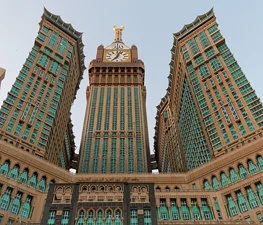
7. Abraj Al Bait – Mecca, Saudi Arabia (Observation deck: 486 m | Total height: 601 m)
The Abraj Al Bait, also known as the Makkah Royal Clock Tower, is one of the tallest and most iconic towers in the world. Its observation deck sits at 486 meters, offering unparalleled views of the holy city of Mecca. Completed in 2012, the complex was built to accommodate millions of pilgrims visiting the Masjid al-Haram during Hajj and Umrah.
The observation deck allows visitors to view the Kaaba and the Grand Mosque from above, making it a unique spiritual experience. The tower itself features the world’s largest clock face, visible from miles away, and serves as both a religious and cultural landmark. It combines modern skyscraper technology with deep Islamic symbolism.
Besides the observation deck, Abraj Al Bait includes luxury hotels, shopping malls, and prayer halls capable of accommodating tens of thousands of worshippers. It plays a crucial role in supporting religious tourism while standing as a national symbol of Saudi Arabia’s ambition.
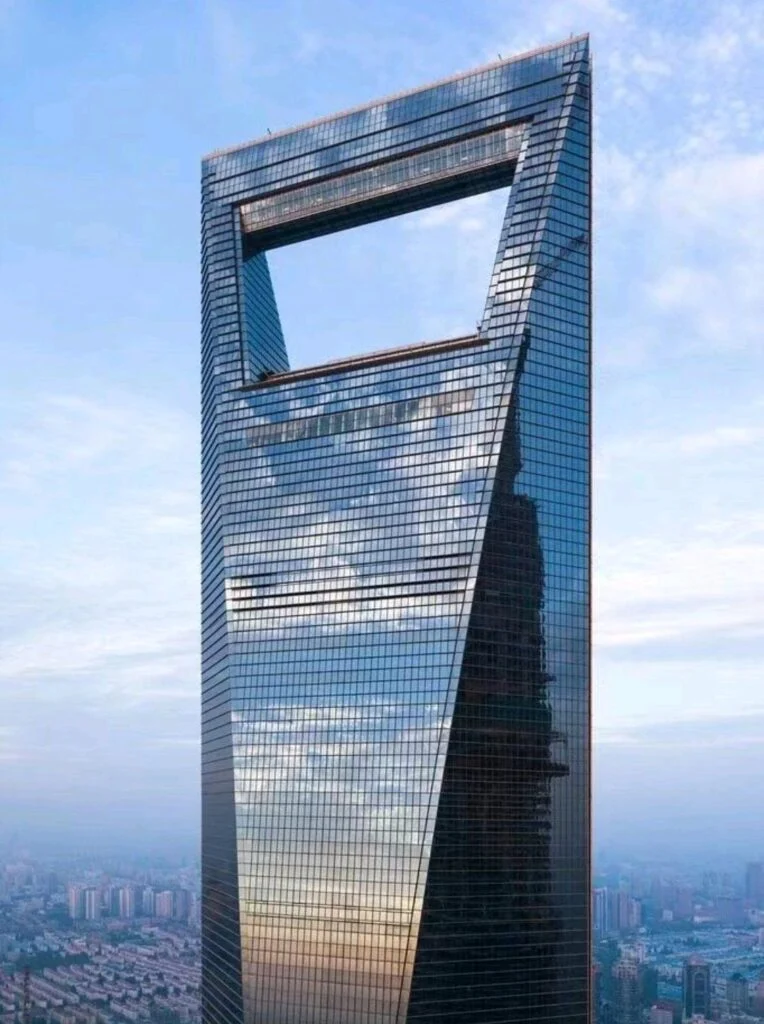
8. Shanghai World Financial Center – Shanghai, China (Observation deck: 474 m | Total height: 492 m)
The Shanghai World Financial Center is one of the most recognizable skyscrapers in the world, with its distinctive trapezoid-shaped aperture at the top. Completed in 2008, it has an observation deck at 474 meters, offering one of the highest vantage points in China before the completion of the Shanghai Tower.
The observation deck features glass floors, allowing visitors to feel as if they are walking on air above the bustling city. From here, guests can view the Pudong skyline, the Huangpu River, and nearby landmarks such as the Jin Mao Tower and Oriental Pearl Tower. The experience is both thrilling and panoramic, making it a highlight of Shanghai tourism.
Beyond being a tourist attraction, the tower is a hub for global commerce, housing financial institutions, multinational companies, luxury hotels, and conference spaces. Its observation facilities emphasize the building’s dual role as both a business center and a cultural destination.
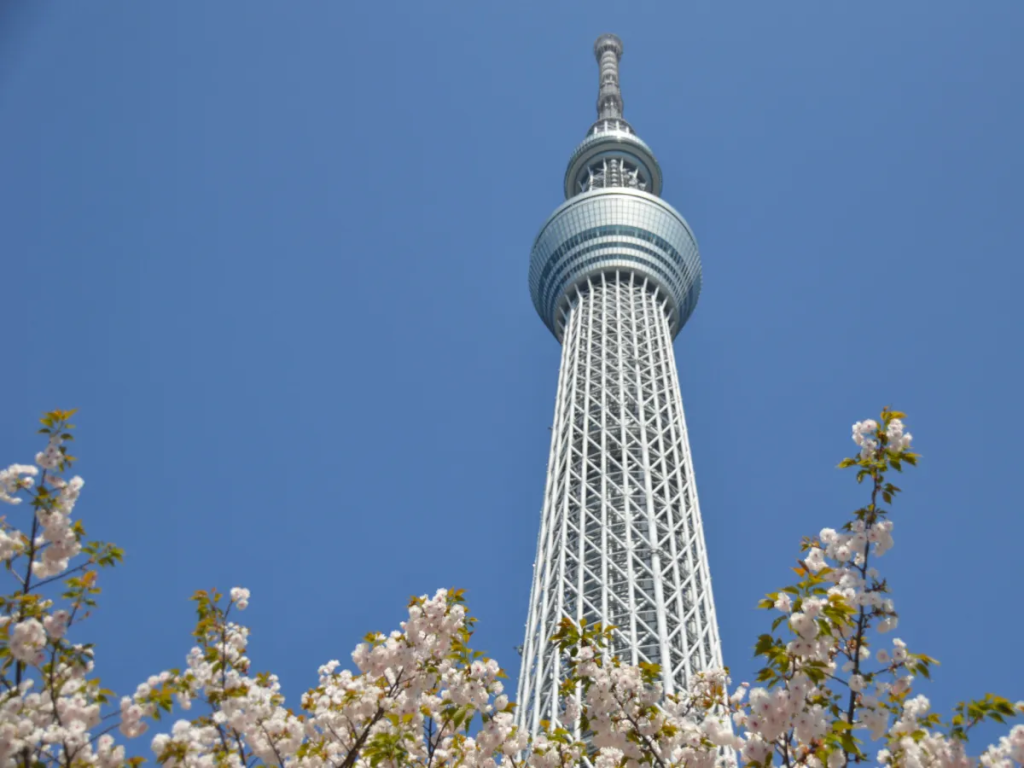
9. Tokyo Skytree – Tokyo, Japan (Observation deck: 451 m | Total height: 634 m)
The Tokyo Skytree is the tallest structure in Japan and the tallest tower in the world, completed in 2012. It stands at 634 meters, with its highest observation deck at 451 meters. Designed primarily as a broadcasting tower, it also serves as one of Tokyo’s most significant tourist attractions.
Visitors can enjoy two main decks: the Tembo Deck and the Tembo Galleria, the latter being a spiraling skywalk that ascends to the 451-meter height. From these vantage points, Tokyo unfolds in all directions, with clear views of Mount Fuji on bright days and dazzling city lights at night. The tower has become a favorite destination for both domestic and international visitors.
In addition to its observation decks, Tokyo Skytree houses restaurants, shops, and a planetarium. It has revitalized its surrounding district, Tokyo Skytree Town, and solidified its place as an enduring cultural and economic landmark for Japan.
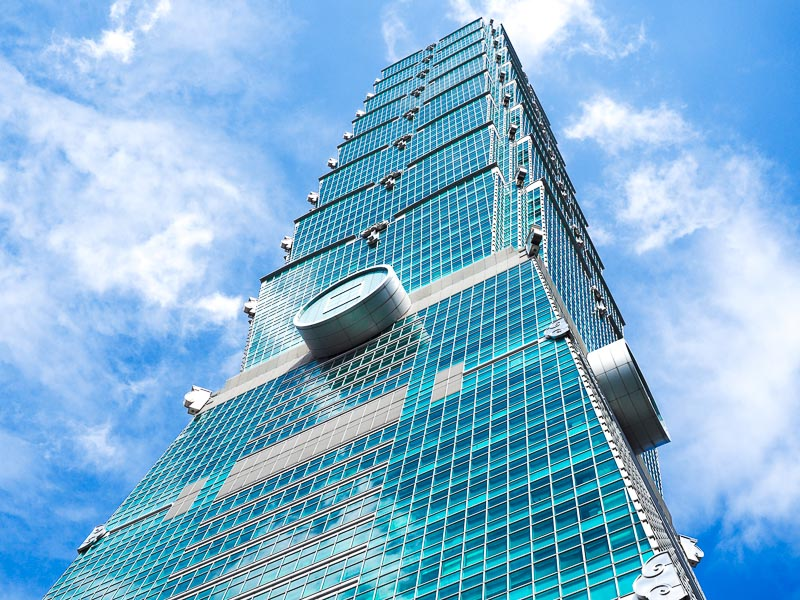
10. Taipei 101 – Taipei, Taiwan (Observation deck: 449 m | Total height: 508 m)
Taipei 101 was once the tallest building in the world and remains one of the most iconic skyscrapers in Asia. Its observation deck, located at 449 meters, provides sweeping views over Taipei and the surrounding mountains. The tower’s design, inspired by a bamboo stalk, symbolizes resilience and cultural heritage in Taiwan.
The observation deck includes both indoor and outdoor platforms, where visitors can admire the city’s skyline and even witness the tower’s massive tuned mass damper—a giant pendulum that stabilizes the building against earthquakes and typhoons. This feature makes Taipei 101 not only visually stunning but also a marvel of engineering.
Apart from tourism, the tower houses offices, luxury restaurants, and one of the world’s fastest elevators, which reaches the deck in under 40 seconds. Taipei 101 has become a symbol of Taiwan’s economic growth and a must-visit attraction for international travelers.
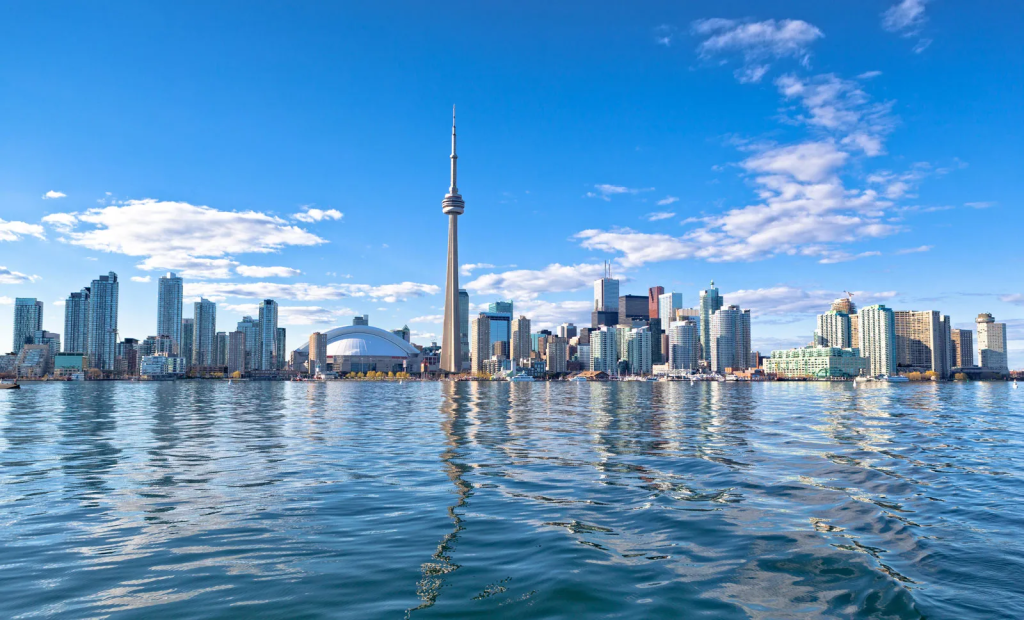
11. CN Tower – Toronto, Canada (Observation deck: 447 m | Total height: 553 m)
The CN Tower, completed in 1976, is one of Canada’s most famous landmarks and was the tallest freestanding structure in the world for over three decades. Its observation deck at 447 meters provides breathtaking views of Toronto, Lake Ontario, and beyond, attracting millions of visitors annually. The tower stands as a defining symbol of the city and Canadian innovation.
The tower’s main highlight is its glass floor section, where guests can look straight down to the streets below—a thrilling experience for those brave enough to step on it. The 360 Restaurant, located slightly lower than the main observation deck, offers fine dining paired with a revolving panoramic view of Toronto. On clear days, visitors can even see across to Niagara Falls and New York State.
Beyond tourism, the CN Tower serves as a critical telecommunications hub. Its design has stood the test of time, making it not just a marvel of engineering but also a cultural icon for Canada.
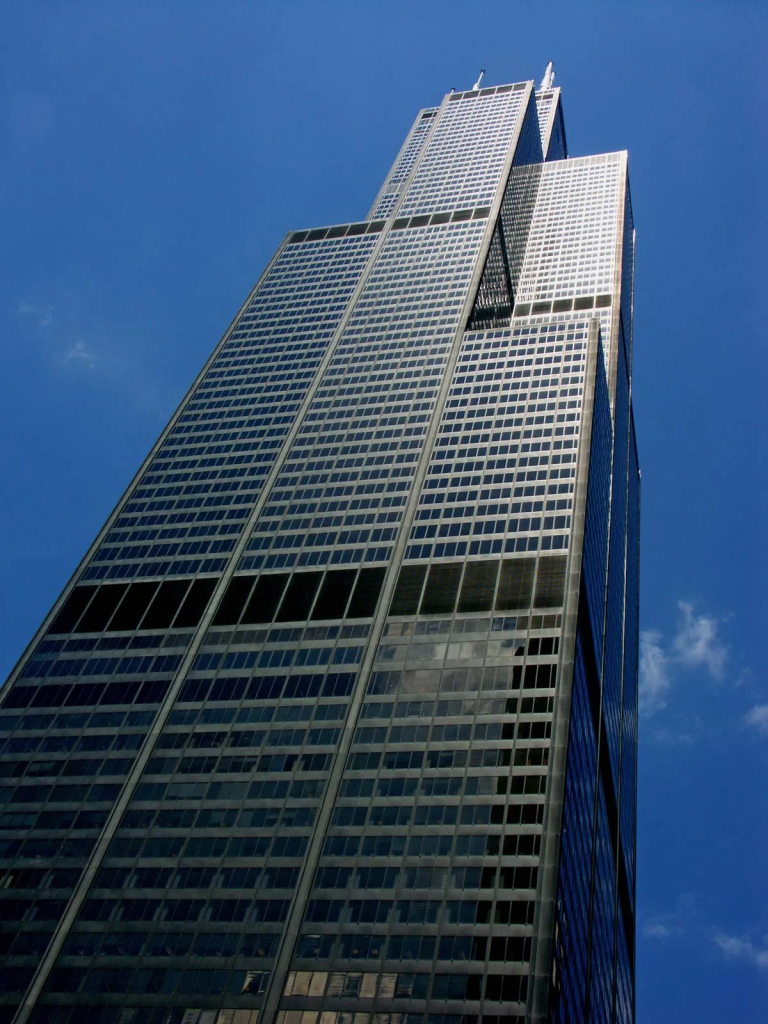
12. Willis Tower – Chicago, USA (Observation deck: 413 m | Total height: 527 m)
Formerly known as the Sears Tower, the Willis Tower is one of Chicago’s most iconic skyscrapers. Completed in 1973, it held the title of the tallest building in the world for nearly 25 years. Its Skydeck, located at 413 meters, offers sweeping views of the Chicago skyline, Lake Michigan, and neighboring states on clear days.
The tower is especially famous for “The Ledge”—a glass balcony extending outward from the observation deck. Visitors can step out onto the transparent glass boxes and look straight down 1,353 feet, creating one of the most thrilling urban experiences in the world. This feature has become one of Chicago’s most photographed attractions.
Today, Willis Tower remains a hub for business and tourism, housing offices, dining spaces, and retail areas. It represents both Chicago’s architectural legacy and its status as a global city.
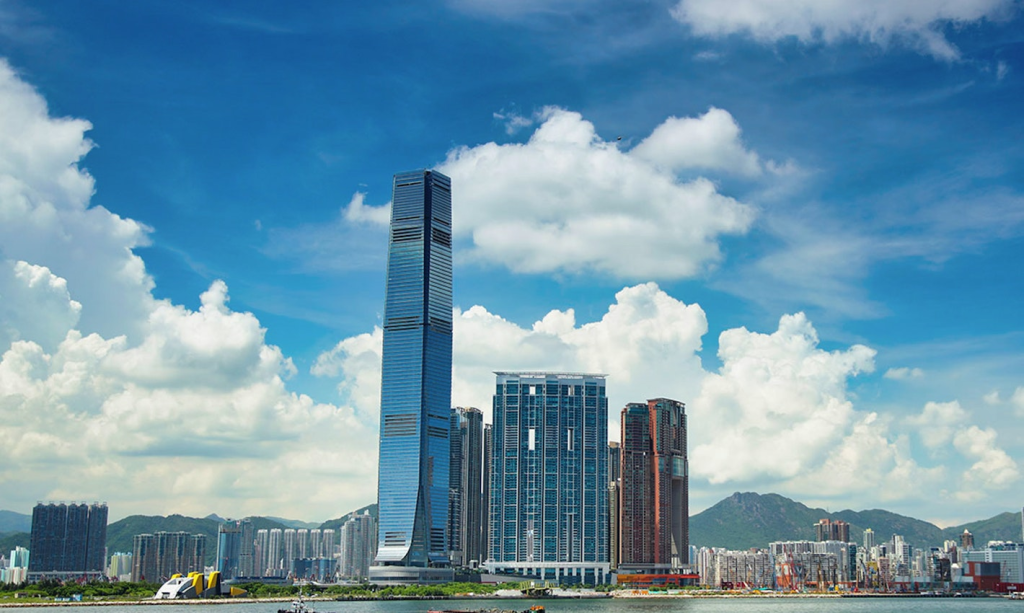
13. Sky100 (International Commerce Centre) – Hong Kong (Observation deck: 393 m | Total height: 484 m)
Sky100 is the highest indoor observation deck in Hong Kong, located on the 100th floor of the International Commerce Centre (ICC). At 393 meters above the ground, it provides visitors with an unparalleled 360-degree view of Victoria Harbour, Kowloon, and Hong Kong Island’s skyline.
The observation deck incorporates advanced interactive displays and multimedia exhibits, helping guests learn more about Hong Kong’s history, culture, and development. At night, Sky100 offers a stunning view of the city’s dazzling lights and the world-famous Symphony of Lights show across the harbor.
In addition to tourism, the ICC houses luxury offices, the Ritz-Carlton hotel, and upscale restaurants. Sky100 reflects Hong Kong’s status as a global financial hub and cultural destination.
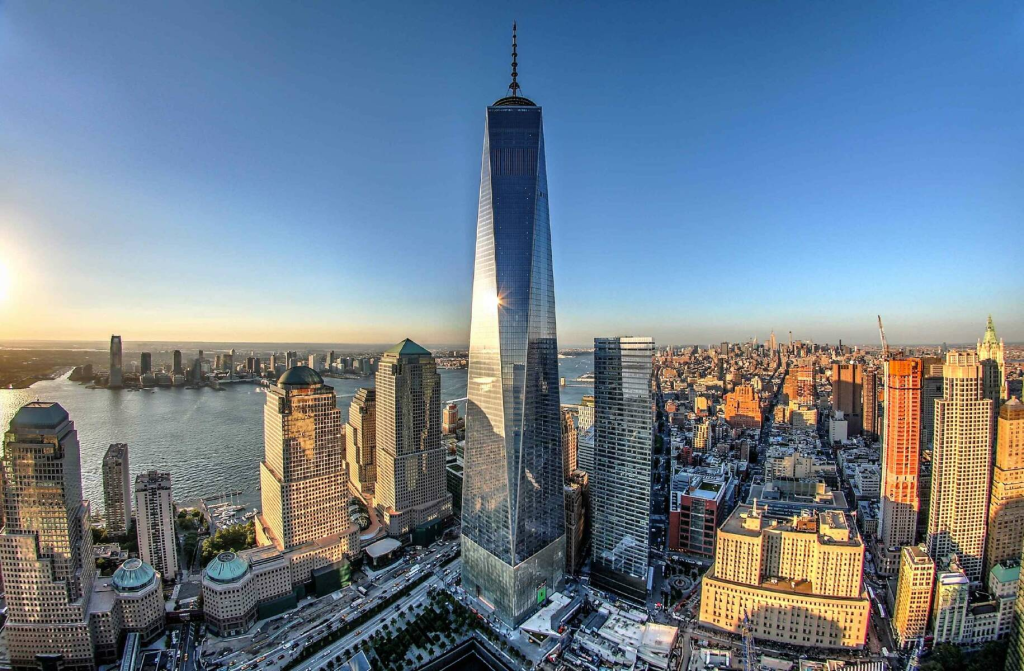
14. One World Trade Center – New York City, USA (Observation deck: 387 m | Total height: 541 m)
One World Trade Center, also known as the Freedom Tower, is a powerful symbol of resilience and renewal in New York City. Completed in 2014, it stands as the tallest building in the Western Hemisphere. Its observation deck, One World Observatory, is situated at 387 meters and offers a panoramic view of Manhattan, the Statue of Liberty, and beyond.
The journey to the top is part of the experience—visitors ride elevators with immersive time-lapse displays that showcase the evolution of New York’s skyline over centuries. At the observatory, interactive exhibits, a Sky Portal glass floor, and guided experiences enhance the visit. The view at sunset, when Manhattan glows in golden light, is particularly memorable.
One World Trade Center is not only a tourist attraction but also a major commercial hub, housing offices and broadcasting facilities. It stands as a testament to modern engineering and a tribute to the resilience of New York City.
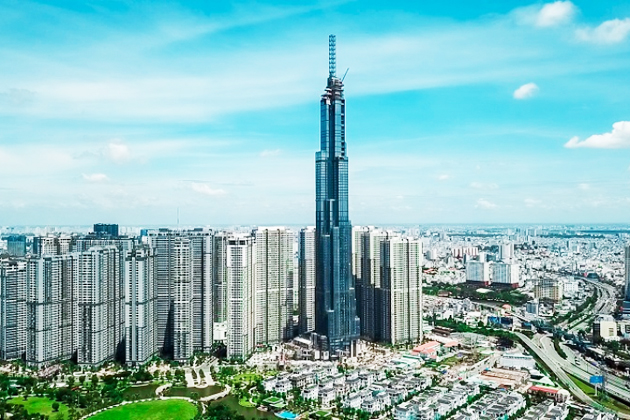
15. Landmark 81 – Ho Chi Minh City, Vietnam (Observation deck: 382 m | Total height: 461 m)
Landmark 81 is the tallest building in Vietnam and Southeast Asia, completed in 2018. Its observation deck, SkyView, is located at 382 meters, offering visitors sweeping views of Ho Chi Minh City and the Saigon River. The tower has quickly become a new symbol of Vietnam’s modernization and rapid economic development.
The observation deck experience includes both indoor and outdoor viewing areas, allowing visitors to enjoy daytime and nighttime vistas of the bustling city below. It also features glass floors and interactive exhibits that make the experience both educational and thrilling. The skyscraper’s sleek design reflects Vietnam’s aspirations on the global stage.
Beyond tourism, Landmark 81 serves as a multi-functional complex, housing luxury residences, a shopping mall, restaurants, and entertainment facilities. It has positioned Ho Chi Minh City as a rising center of commerce and tourism in Southeast Asia.
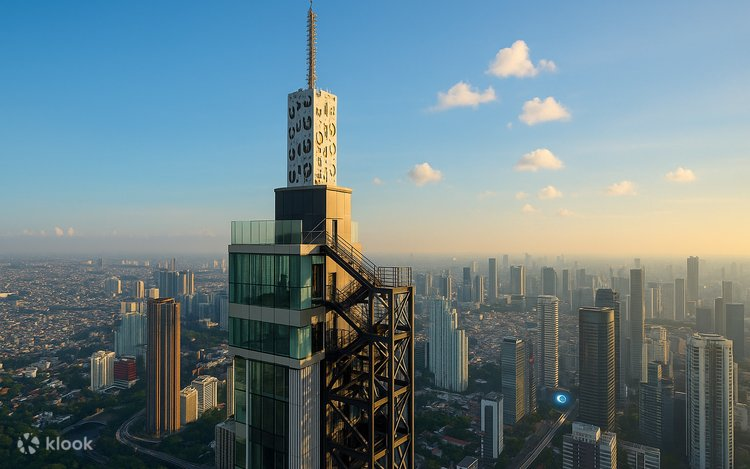
16. Autograph Tower – Jakarta, Indonesia (Observation deck: ~382 m+ | Total height: 516 m, expected 2025)
The Autograph Tower, still under completion and expected to fully open in 2025, is set to become Indonesia’s tallest skyscraper and one of Southeast Asia’s most impressive landmarks. Once operational, its observation deck—planned at around 382 meters on the 99th floor—will provide visitors with a panoramic view of Jakarta’s sprawling skyline. Standing at 516 meters, the tower will firmly establish Jakarta among cities with supertall buildings.
As part of the Thamrin Nine mixed-use development, the tower will include luxury offices, residences, and hospitality facilities. The observation deck is expected to become a major attraction, allowing both locals and tourists to appreciate the city from unprecedented heights. Its design aims to blend modern architecture with Indonesia’s cultural identity.
When completed, the Autograph Tower will symbolize Indonesia’s growing economic power and urban modernization. Its addition to the global skyscraper scene will put Jakarta on the map alongside other megacities with record-setting towers.
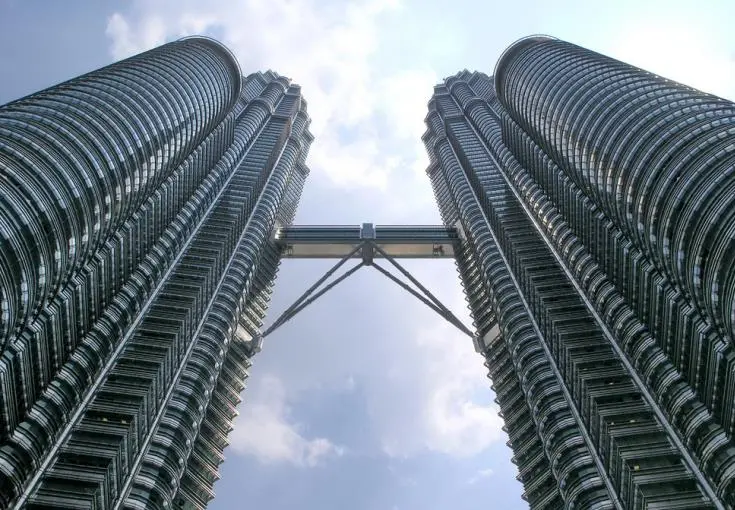
17. Petronas Towers – Kuala Lumpur, Malaysia (Observation deck: 370 m | Total height: 452 m)
The Petronas Towers, completed in 1998, are twin icons of Malaysia and held the title of the world’s tallest buildings until 2004. The observation deck, located at 370 meters, offers breathtaking views of Kuala Lumpur’s skyline, while the famous Skybridge connecting the two towers at the 41st and 42nd floors provides another unique viewing experience.
Tourists visiting the observation deck are treated to a combination of modern architectural marvels and cultural exhibits highlighting Malaysia’s heritage. The towers are especially striking at night, when their steel-and-glass façade glows against the city lights. Standing side by side, they remain one of the most recognizable twin structures in the world.
Beyond tourism, the towers serve as a hub for offices, shopping, and cultural activities. They symbolize Malaysia’s progress and stand as a global icon of architectural innovation.
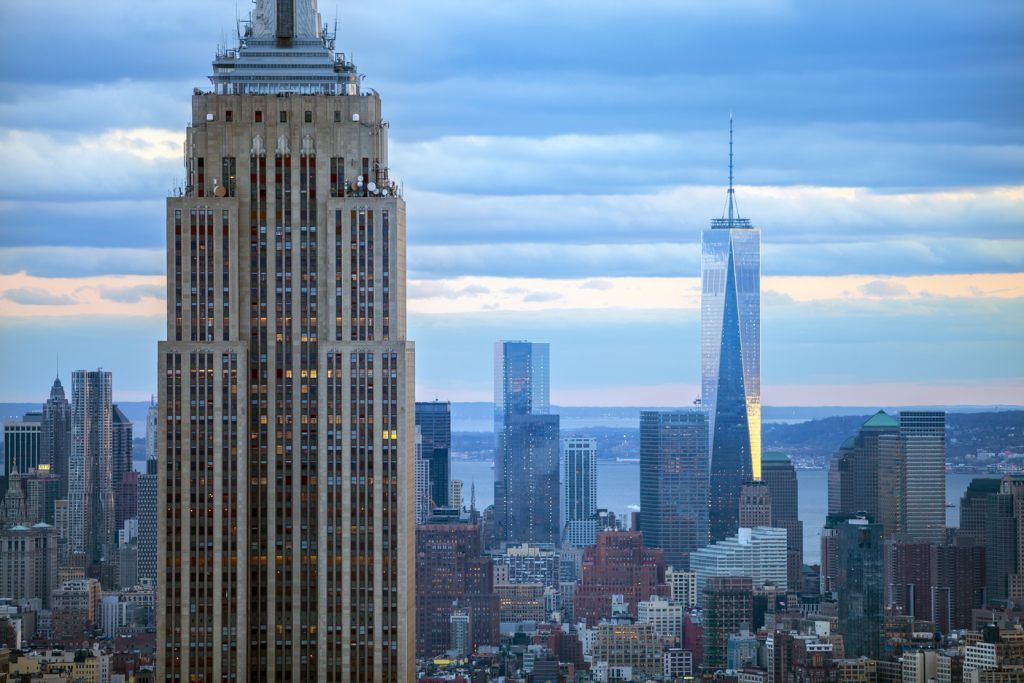
18. Empire State Building – New York City, USA (Observation deck: 369 m | Total height: 449 m)
The Empire State Building, completed in 1931, is one of the most famous skyscrapers in history and an enduring symbol of New York City. Its main observation deck sits at 369 meters, offering sweeping views of Manhattan and beyond. For decades, it was the tallest building in the world and remains one of the most visited landmarks in the United States.
The observatory provides a unique blend of nostalgia and modern technology. Visitors can learn about the building’s history through immersive exhibits while enjoying the view from both indoor and outdoor platforms. The deck is especially popular during sunset and nighttime, when the city lights create a dazzling panorama.
As an icon of the Art Deco era, the Empire State Building has also become a cultural fixture, appearing in countless films, shows, and works of art. It continues to draw millions of visitors each year, solidifying its place in both history and tourism.
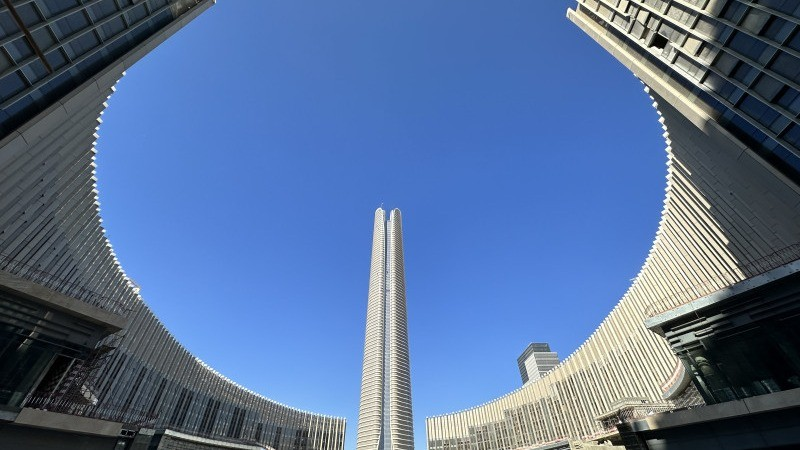
19. Iconic Tower – New Administrative Capital, Egypt (Observation deck: 360 m | Total height: 394 m)
The Iconic Tower, under construction in Egypt’s New Administrative Capital, is set to be the tallest building in Africa at 394 meters. Its observation deck, planned at 360 meters, will offer expansive views of the new city, designed to relieve congestion in Cairo and represent Egypt’s modernization efforts.
The tower is envisioned as the centerpiece of the city’s skyline, showcasing sleek, modern architecture with cultural symbolism. The observation deck will allow visitors to appreciate the city’s master-planned design, as well as the surrounding desert landscape. Once completed, it will mark a new era of urban development in Egypt.
Beyond being a tourist attraction, the Iconic Tower is designed as a mixed-use development, hosting offices, luxury spaces, and services. It will stand as a monumental representation of Africa’s rising presence in global architecture.
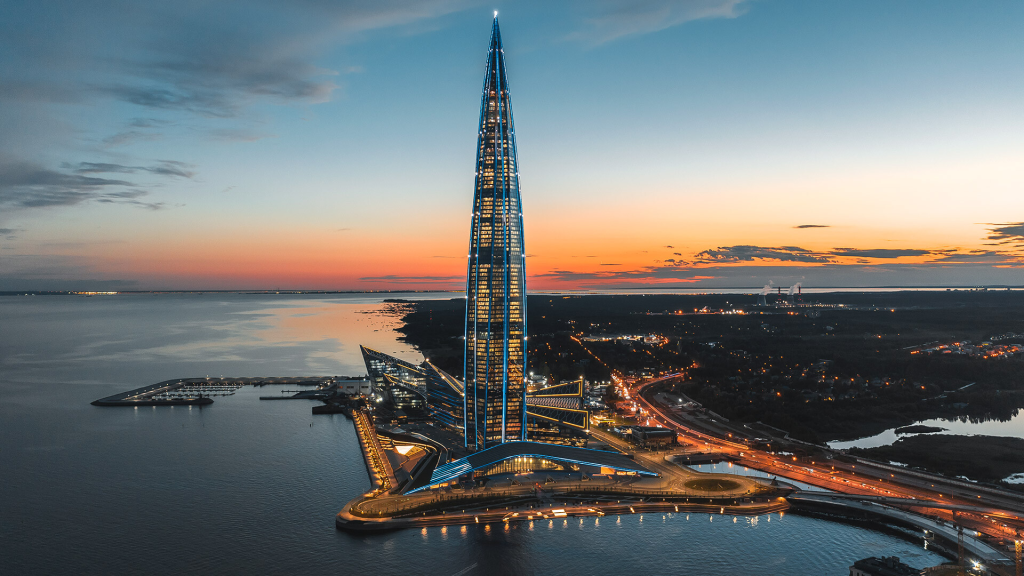
20. Lakhta Center – Saint Petersburg, Russia (Observation deck: 357 m | Total height: 462 m)
The Lakhta Center, completed in 2019, is the tallest building in Russia and Europe, standing at 462 meters. Its observation deck at 357 meters provides panoramic views of Saint Petersburg, the Gulf of Finland, and the surrounding landscape, combining modern engineering with the city’s rich cultural heritage.
The building is notable for its twisting design, which reduces wind loads while creating a striking architectural profile. The observation deck incorporates high-tech interactive features, offering visitors both educational and immersive experiences as they take in the views. At night, the tower’s exterior lighting makes it a shining beacon across the city.
Primarily serving as the headquarters of Gazprom, the Lakhta Center also includes conference facilities, restaurants, and public spaces. It represents Russia’s modern ambitions and innovation in supertall skyscraper design.
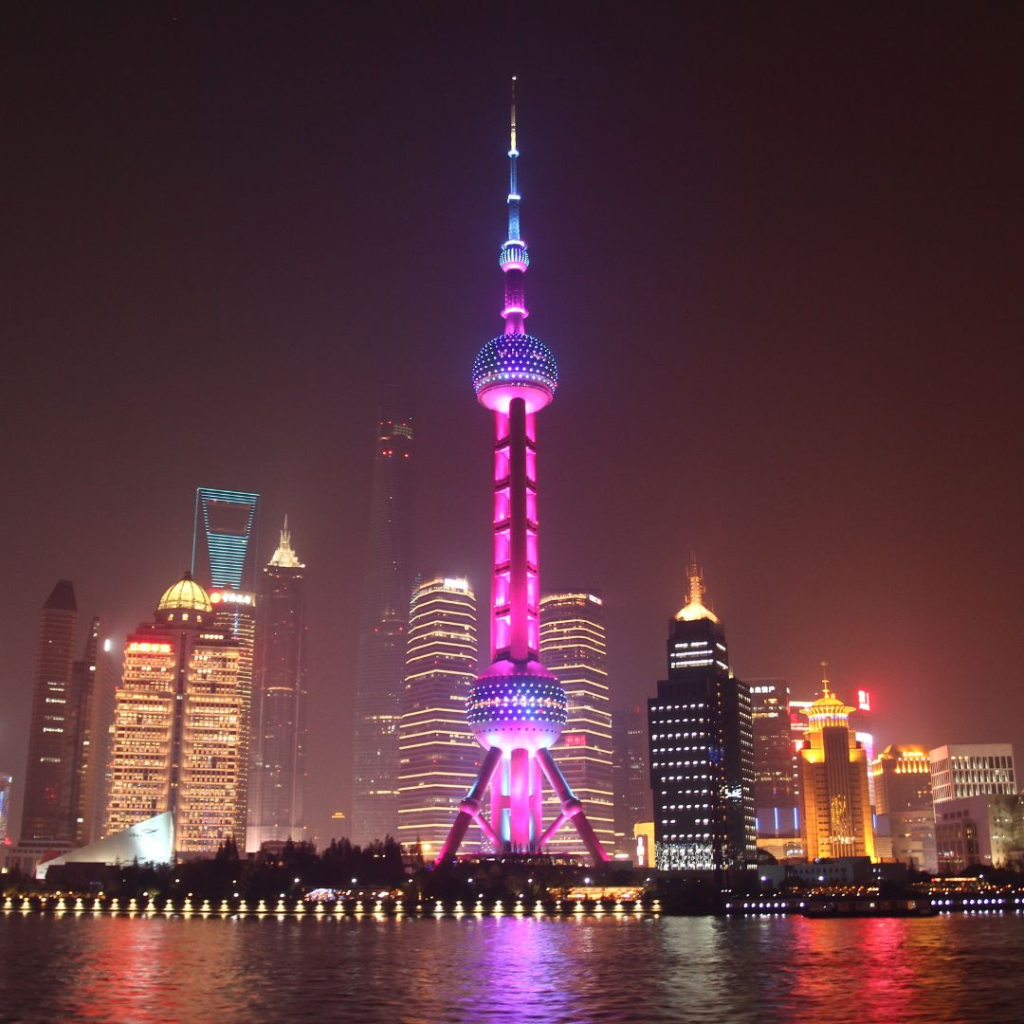
21. Oriental Pearl Tower – Shanghai, China (Observation deck: 351 m | Total height: 468 m)
The Oriental Pearl Tower, completed in 1994, is one of Shanghai’s most recognizable landmarks. Rising 468 meters above the Pudong district, its highest observation deck is at 351 meters, offering sweeping views of the Huangpu River and the Bund’s historic waterfront. Its futuristic design, characterized by multiple spherical structures, has made it a symbol of Shanghai’s rapid modernization.
The tower includes three observation spheres, each providing a different perspective of the city. The uppermost deck features a glass floor, giving visitors an exhilarating experience of looking directly down from more than 1,000 feet above ground. This innovative attraction makes the Oriental Pearl Tower one of the most thrilling observation experiences in Asia.
Beyond its observatories, the tower houses museums, restaurants, and broadcast facilities, making it both a cultural and entertainment hub. It remains one of Shanghai’s top tourist destinations, drawing millions of visitors each year.
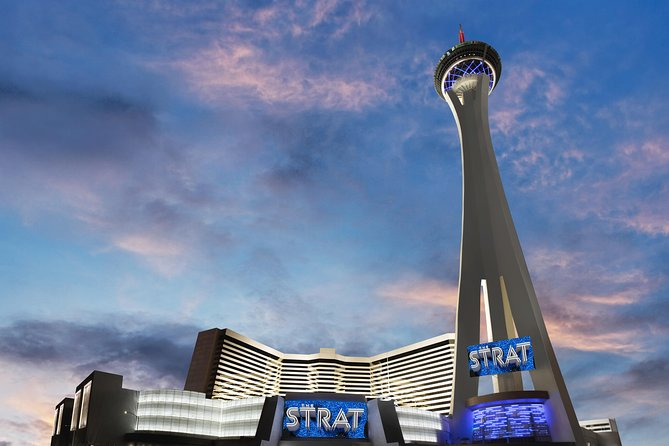
22. The Strat – Las Vegas, USA (Observation deck: 350 m | Total height: 350 m)
The Strat, formerly known as the Stratosphere Tower, dominates the Las Vegas skyline at 350 meters. Its observation deck, positioned at the very top, offers 360-degree views of the Las Vegas Strip, the Mojave Desert, and the distant mountains. Opened in 1996, it remains the tallest structure in Nevada.
The deck is unique in that it doubles as a hub for thrill rides, including SkyJump, Big Shot, and X-Scream, which extend over the edge of the tower. These adrenaline-pumping attractions make The Strat not only a place for sightseeing but also a destination for daredevils. Visitors can also enjoy fine dining with panoramic views at its revolving restaurant.
As an iconic feature of Las Vegas, The Strat continues to attract millions of visitors, combining breathtaking views with entertainment and adventure. Its presence cements Las Vegas as a city of both spectacle and excitement.
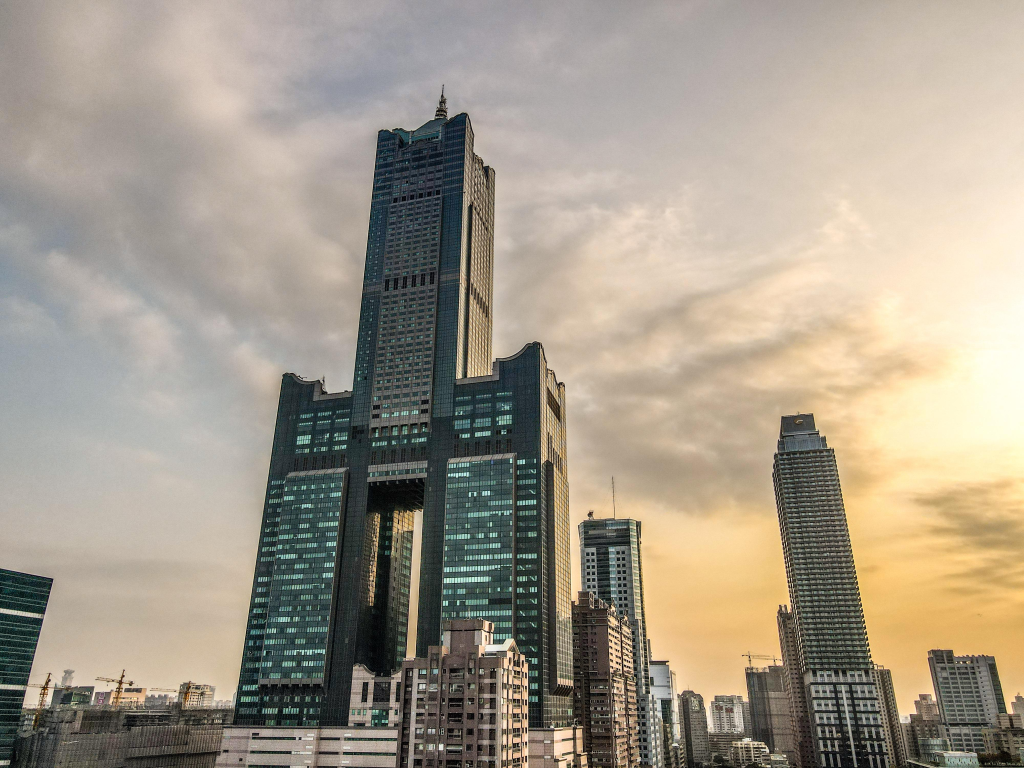
23. Tuntex Sky Tower – Kaohsiung, Taiwan (Observation deck: 341 m | Total height: 348 m)
The Tuntex Sky Tower, also known as the 85 Sky Tower, was completed in 1997 and quickly became a symbol of Kaohsiung, Taiwan’s second-largest city. Its observation deck at 341 meters provides stunning views of the harbor, coastline, and urban landscape. At 348 meters tall, it was once among the tallest skyscrapers in East Asia.
The building’s unique “prong” design sets it apart architecturally, resembling the Chinese character “高” (gao), meaning tall — a fitting symbol for Kaohsiung. The deck offers both indoor and outdoor viewing spaces, making it a popular spot for tourists and locals alike.
Although newer towers have surpassed its height, the Tuntex Sky Tower remains an iconic feature of Kaohsiung’s skyline and continues to serve as a multipurpose hub for offices, hotels, and retail spaces.
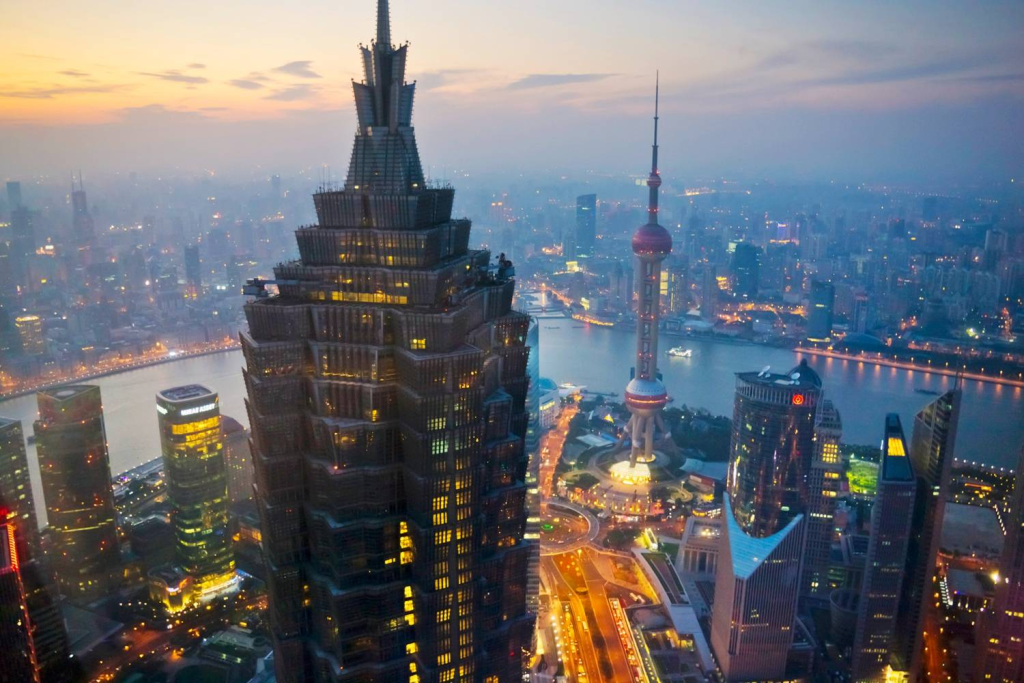
24. Jin Mao Tower – Shanghai, China (Observation deck: 340 m | Total height: 421 m)
The Jin Mao Tower, completed in 1999, stands at 421 meters and was one of the tallest buildings in the world at the time of its completion. Its observation deck, located at 340 meters, offers impressive views of Pudong’s financial district and the Huangpu River. It was a trailblazer in establishing Shanghai as a global hub for modern architecture.
The deck allows visitors to see not only Shanghai’s futuristic skyline but also the interior of the tower itself, with its breathtaking 88-story atrium that spirals upward. The combination of city views and architectural marvel makes it a unique observation experience.
Today, the Jin Mao Tower is part of a trio of supertall structures in Pudong, alongside the Shanghai World Financial Center and Shanghai Tower, highlighting the city’s rapid vertical growth.
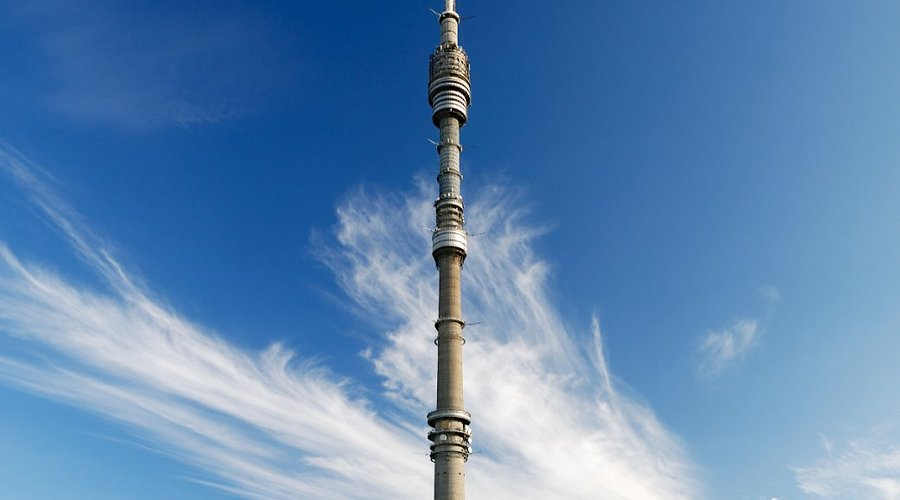
25. Ostankino Tower – Moscow, Russia (Observation deck: 337 m | Total height: 540 m)
The Ostankino Tower, completed in 1967, was once the tallest freestanding structure in the world. At 540 meters, it remains one of the tallest television towers globally, with an observation deck at 337 meters that offers panoramic views of Moscow. For decades, it symbolized Soviet engineering achievement.
The tower’s observation deck is partly glass-floored, giving visitors a thrilling perspective over the city below. On clear days, views extend far beyond Moscow’s city limits, making it one of the best spots to take in Russia’s capital. The tower also houses restaurants, including one that revolves, offering diners a moving view of the skyline.
Despite being built more than half a century ago, the Ostankino Tower continues to impress with its scale and design. It remains a major tourist attraction and a working broadcast center, blending function with cultural significance.
Conclusion
The world’s tallest observation towers represent humanity’s enduring fascination with height, vision, and perspective. They allow people to rise above the everyday, to gain a wider view of both natural wonders and bustling urban landscapes. More than simple platforms for sightseeing, these towers embody progress, pride, and the shared human desire to look further and dream bigger.
As we admire the Top 25 tallest observation towers, we see how architecture and engineering come together to create experiences that are both practical and inspiring. These towers remind us that no matter how advanced technology becomes, the simple act of looking out across vast horizons will always spark wonder and connect us to the world in new and powerful ways.
Other related Articles
Top 25 Tallest Clock Towers in the World
Top 15 Tallest Roller Coasters Ever Built
Top 25 Tallest Statues in the World
Top 20 Tallest Buildings in the World

One thought on “Top 25 Tallest Observation Towers in the World”